NNZMC PTY LTD - T/a Industry Skills Solutions | RTO 45974 - Your industry-based trainer offering nationally recognised training for groups and individuals!
We aim to provide a recognised centre of excellence across the Mining, Construction and Mineral Exploration industries for flexible, hands-on training to encourage individuals of all levels to achieve their vocational goals in an efficient, professional, compliant and safe learning environment.

Qualifications
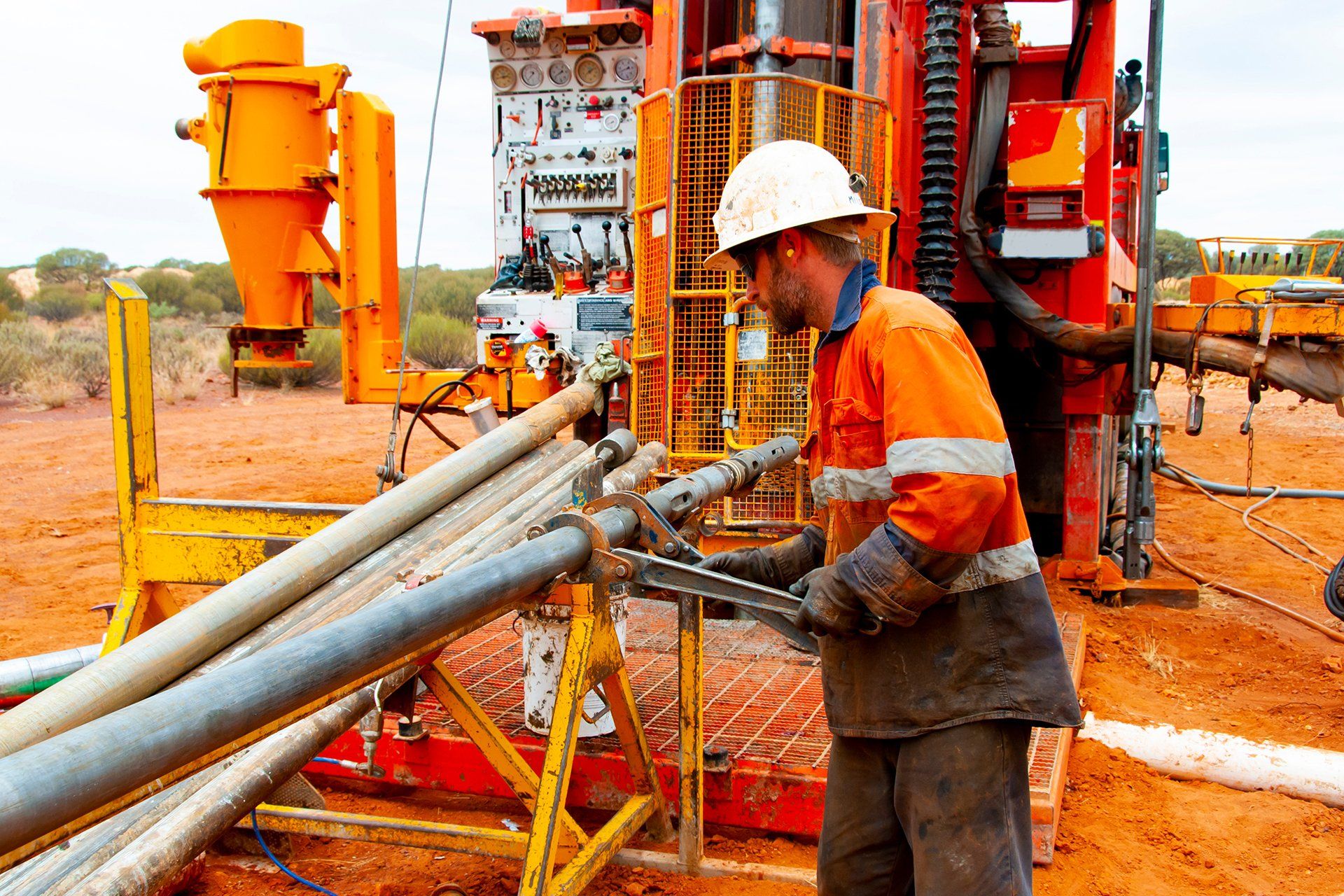
This qualification reflects the role of individuals such as drillers assistant or offsider, This role involves performing a broad range of tasks in a wide variety of drilling contexts while under the supervision of a Driller or senior crew member.
Licensing, legislative, regulatory and certification requirements that apply to this qualification can vary between states, territories, and industry sectors. Relevant information must be sourced prior to application of the qualification.
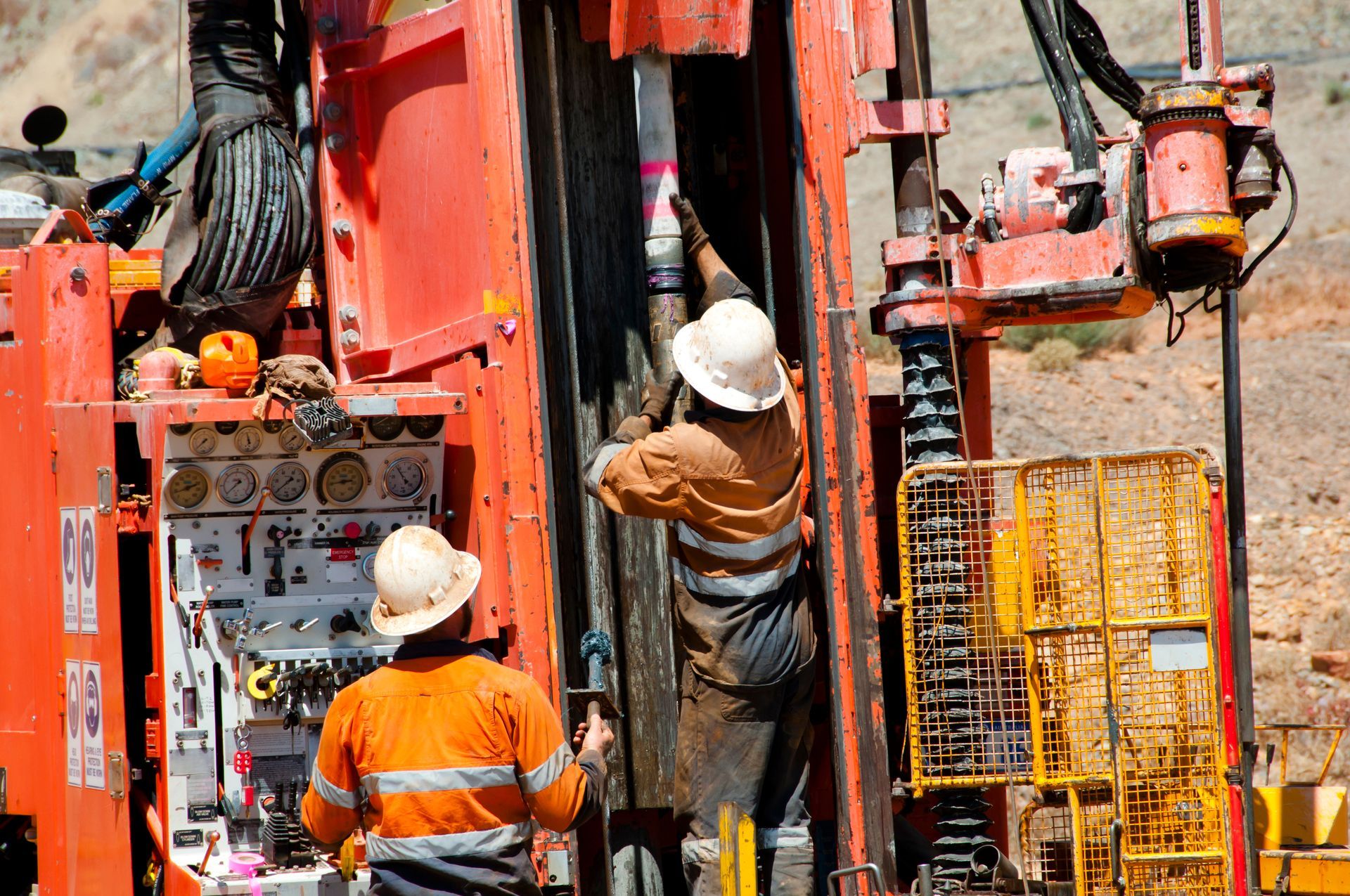
This qualification reflects the role of individuals such as driller or trainee driller, who perform tasks in across a broad range of drilling operations. The position often requires the exercise of judgement and decision-making in the selection of drilling equipment, services, and/or contingency measures.
No licensing, legislative, regulatory and certification requirements apply to this qualification at the time of publication.
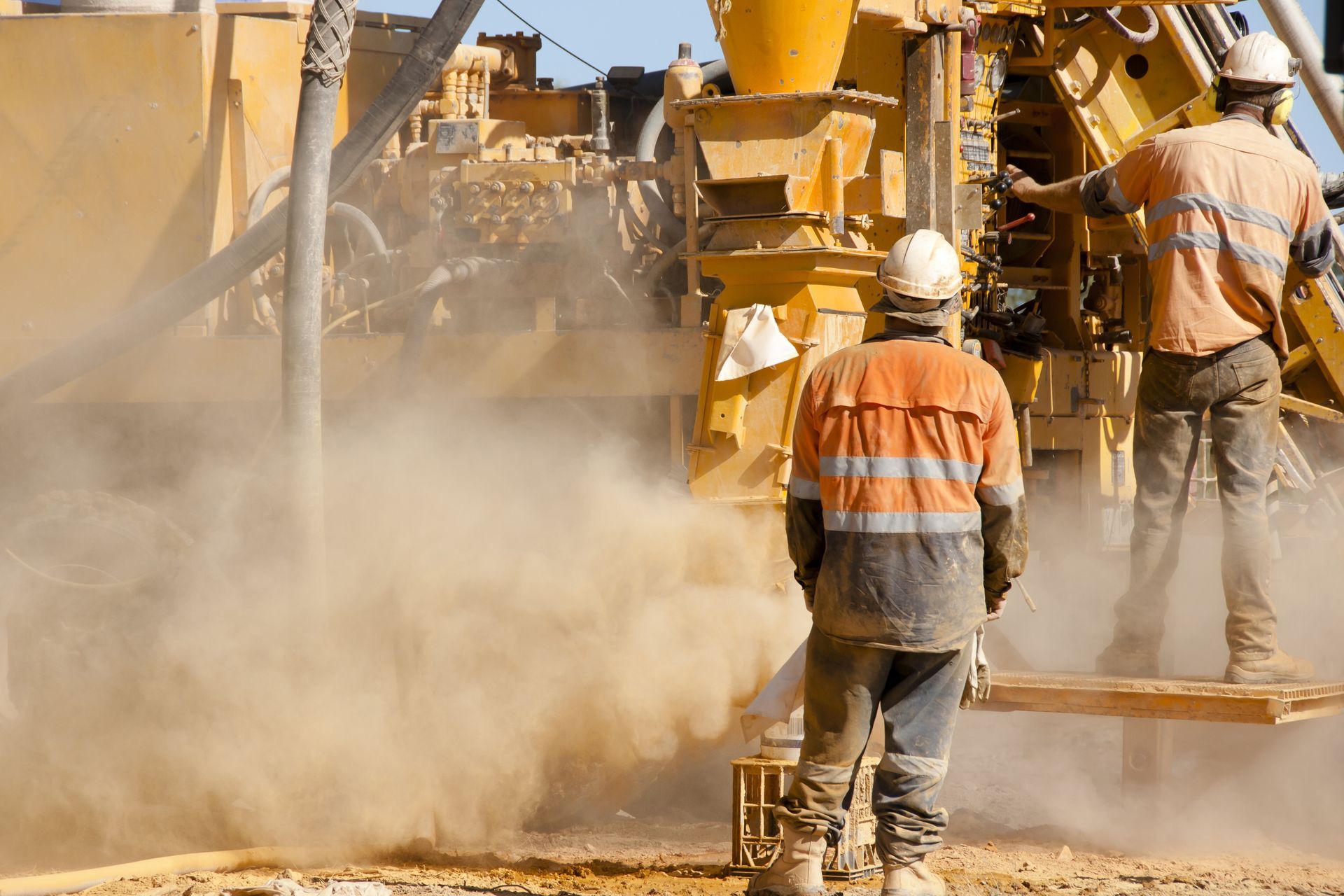
This qualification reflects the role of individuals such as senior drillers or supervisors. They perform tasks involving a broad range of varied activities most of which are complex and non-routine. They are responsible for the quantity and quality of the output of others and contribute to the development of technical solutions to non-routine problems.
Licensing, legislative and certification requirements that apply to this qualification can vary between states, territories, and industry sectors. Relevant information must be sourced prior to application of the qualification.
This qualification reflects the roles of individuals working in the resources and infrastructure industries who perform mainly routine tasks and procedures, using limited practical skills and fundamental operational knowledge, and taking some responsibility for the quality of the work outcomes.
This is a pathway qualification and that prepares individuals to successfully undertake a sector-specified Certificate III from the RII Resources and Infrastructure Industry Training Package.
Licensing, legislative and certification requirements that apply to this qualification can vary between states, territories and industry sectors. Users must check requirements with relevant body before applying the unit.
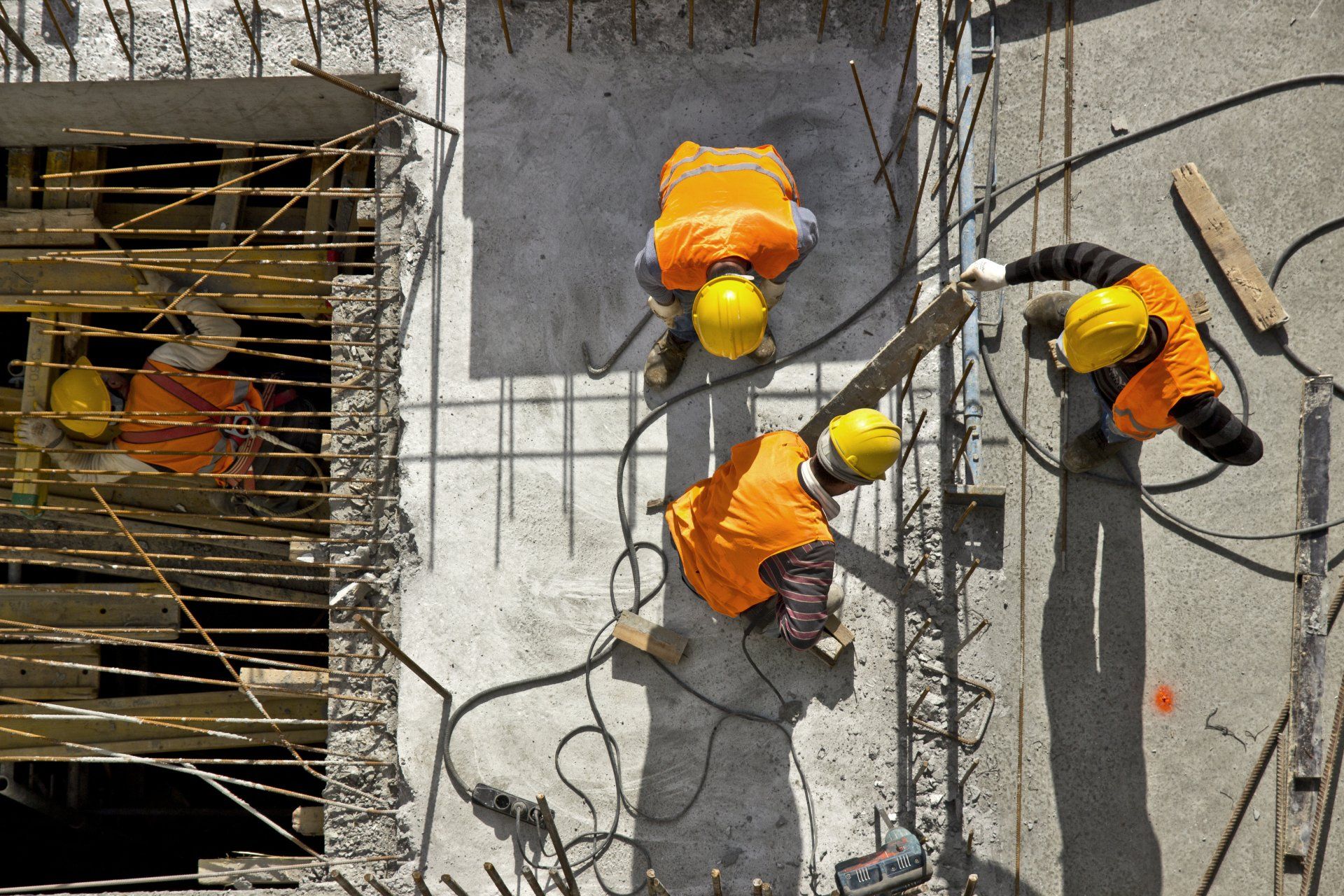
This qualification reflects the role of individuals working as skilled operators in civil construction, who apply a broad range of skills in varied work contexts, using some discretion and judgement and relevant theoretical knowledge. The individual may provide theoretical advice and support a team. The qualification applies to specialist occupations in general civil construction occupations (Specialisation 9 – Civil Construction General).
Licensing, legislative and certification requirements that apply to this qualification can vary between states, territories, and industry sectors. Users must check requirements with relevant body before applying the qualification.

This qualification reflects the role of individuals working as skilled operators with civil construction plant, who apply a broad range of skills in varied work contexts, using some discretion and judgement and relevant theoretical knowledge. These individuals may provide theoretical advice and support a team.
Licensing, legislative and certification requirements that apply to this qualification can vary between states, territories, and industry sectors. Users must check requirements with relevant body before applying the qualification.

This qualification applies to individuals working in a work health and safety (WHS) role who provide a broad range of technical knowledge and skills, and have some limited responsibility for the output of others.
The qualification applies to those working as supervisors, WHS personnel, and workers in other WHS-related roles who manage risks effectively, apply relevant WHS laws, and contribute to WHS within the workplace in known or changing contexts with established parameters.
Units of competency

This unit describes the skills and knowledge required to confirm collection requirements, prepare individual and equipment and collect specimens via urine and/or oral and breath testing following the special procedures that apply for drugs of abuse testing.
This unit applies to individuals working in collection centres, in hospitals, in other health care environments and workplaces where drugs of abuse testing take place.
The skills in this unit must be applied in accordance with current Commonwealth and State/Territory legislation, Australian/New Zealand standards and industry codes of practice.
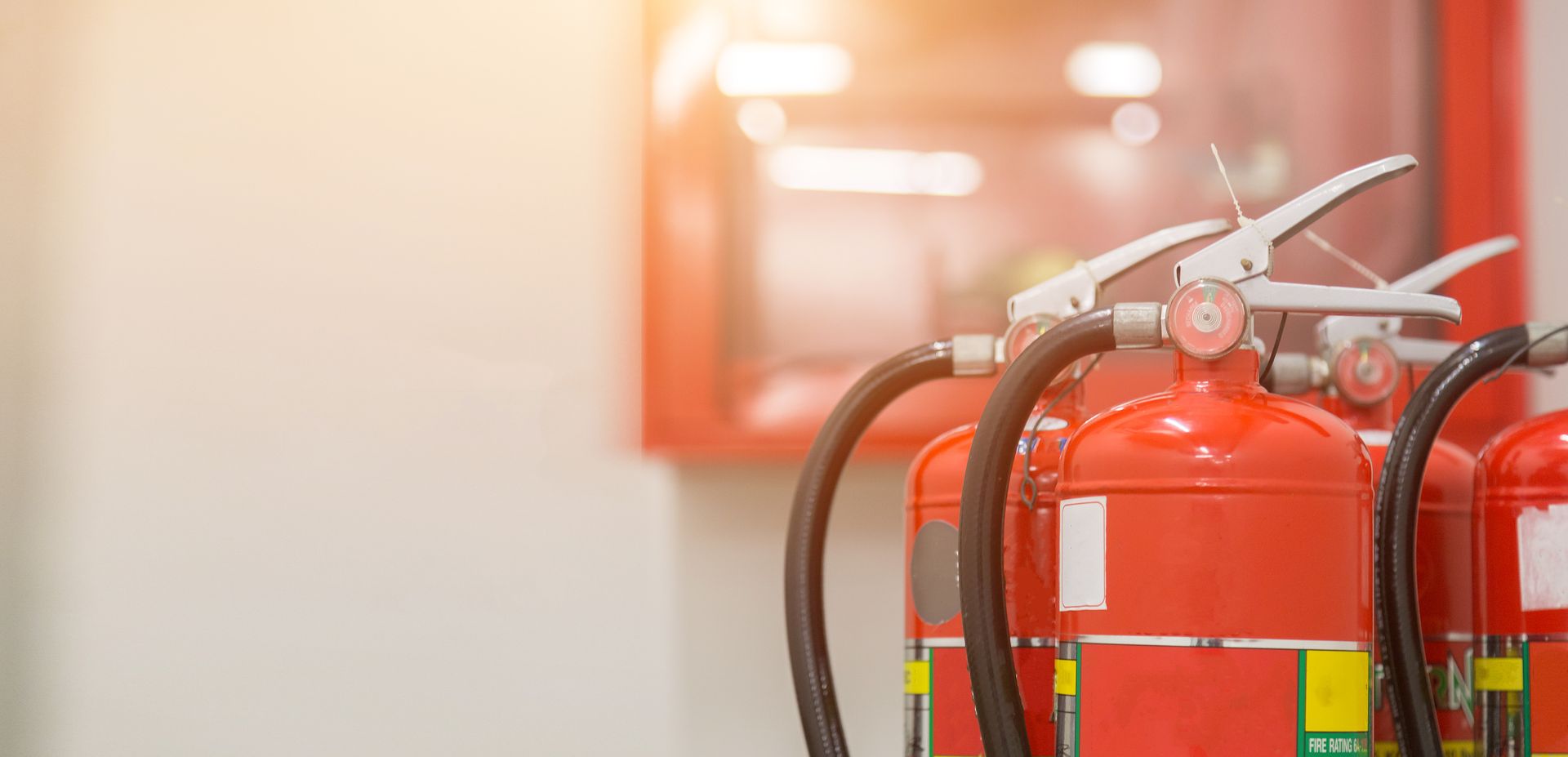
This unit of competency specifies the skills and knowledge required to conduct routine monthly, six-monthly and yearly inspections and testing of fire extinguishers and fire blankets at client premises. Service activities are conducted in compliance with requirements of the National Construction Code (NCC) and schedules specified in the relevant Australian Standards.
The unit does not cover the completion of annual statements. The unit is suitable for those with basic skills and knowledge undertaking routine work tasks under the direction of more experienced workers.
Licensing, legislative, regulatory or certification requirements apply to this unit of competency in some states and territories. For further information, check with the relevant regulatory authority.
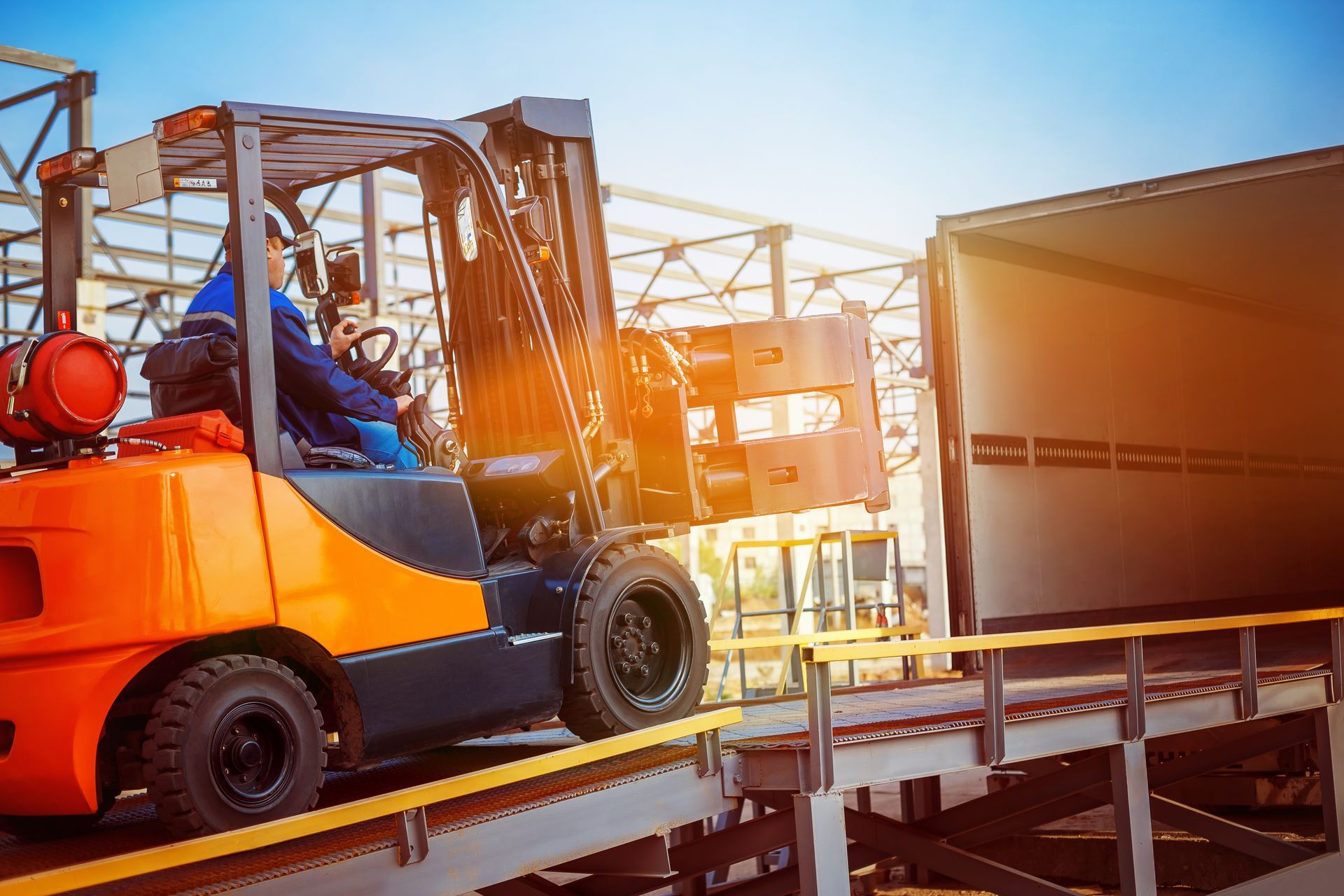
This unit specifies the skills and knowledge required to operate a forklift truck safely in accordance with all relevant legislative requirements. Competence in this unit, does not in itself result in a HRWL licence to operate this plant.
Forklift truck means a powered industrial truck equipped with lifting media made up of a mast and an elevating load carriage to which is attached a pair of fork arms or other attachments that can be raised 900 mm or more above the ground, but does not include a pedestrian-operated truck or a pallet truck.
A person performing this work is required to hold a forklift truck High Risk Work Licence (HRWL).
This unit requires a person operating a forklift truck to:
- plan for the work/task
- prepare for the work/task
- perform work/task
- pack up
Legislative and regulatory requirements are applicable to this unit of competency.
This unit is based on the licensing requirements of Part 4.5 of the Model Work Health and Safety (WHS) Regulations and meets Commonwealth, State and Territory HRWL requirements.
The National Assessment Instrument (NAI) is the mandated assessment for the HRWL to operate the relevant licencing class as detailed in this unit.

This unit of competency involves the skills and knowledge required to inspect, maintain and test a range of equipment. It includes inspecting response equipment, testing response equipment and cleaning, maintaining and restowing equipment
The unit applies to personnel who have either a primary role in the maintenance of equipment or are required to test and maintain equipment as part of an operational role.
No licensing, legislative or certification requirements apply to this unit at the time of publication.
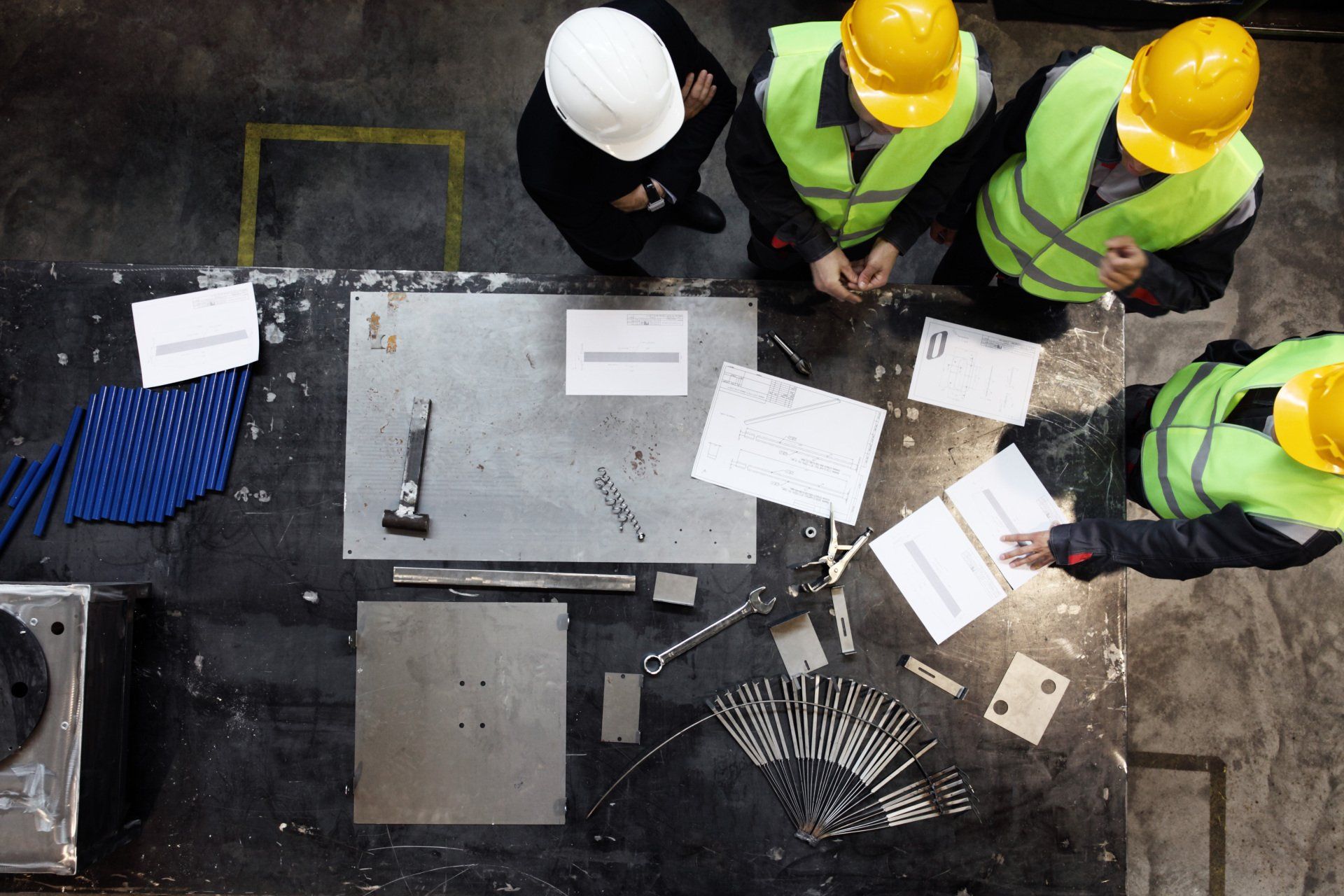
This unit describes the skills and knowledge required to conduct work related health and safety investigations as a result of an incident and to contribute to a safe workplace.
It applies to individuals who participate in work related health and safety investigations as part of their responsibilities.
Licensing, legislative and certification requirements that apply to this unit can vary between states, territories and industry sectors. Users must check requirements with relevant body before applying the unit.

This unit describes a participant’s skills and knowledge required to apply initial response First Aid in Coal and Metalliferous mining.
This unit is appropriate for those working in operational roles.
Licensing, legislative, regulatory and certification requirements that apply to this unit can vary between states, territories, and Industry sectors. Relevant information must be sourced prior to application of the unit.
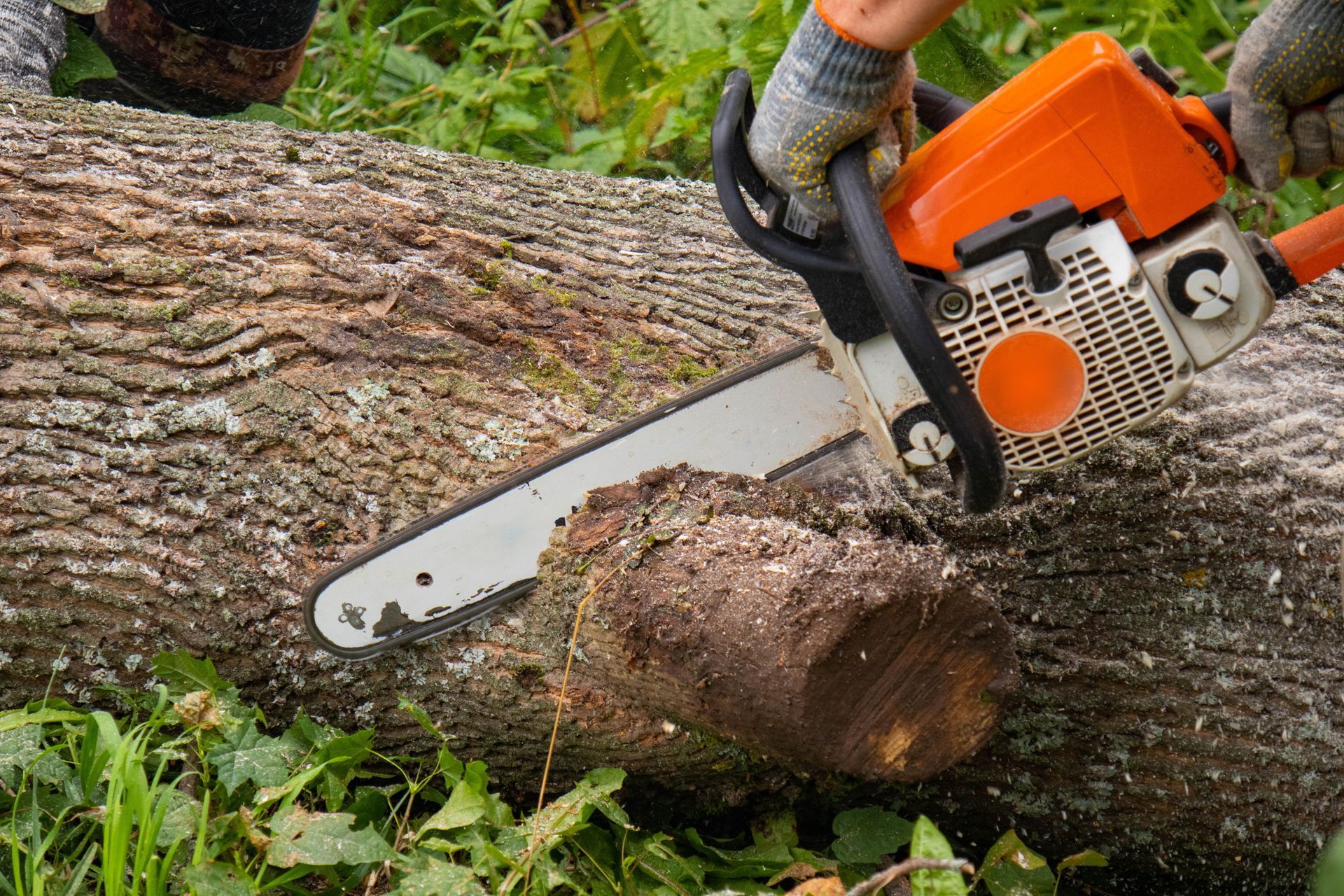
This unit of competency describes the skills and knowledge required to safely operate a hand-held chainsaw and maintain it in working condition. This unit applies to cross-cutting fallen timber using safe cutting techniques.
The unit applies to individuals who apply low risk work procedures and comply with worksite health and safety requirements when operating hand-held chainsaws to carry out routine work.
No occupational licensing, legislative or certification requirements apply to this unit at the time of publication.
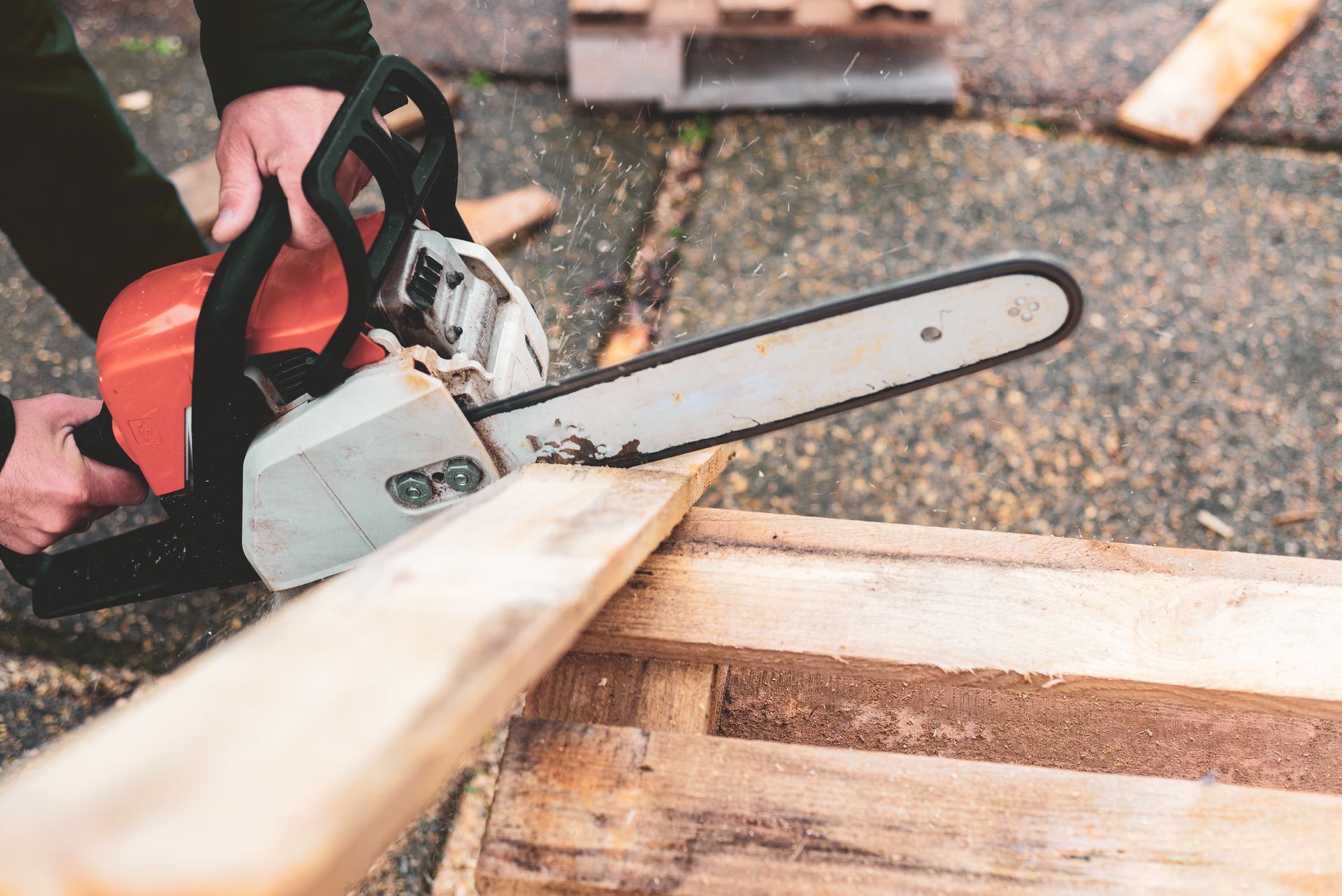
This unit of competency describes the skills and knowledge required to prepare and cut timber and polymer materials with a hand-held chainsaw. This unit includes preparing for work, cutting materials, maximising volume and quality of recovery material, and performing routine operator maintenance.
The unit applies to individuals who cut materials with a hand-held chainsaw in a variety of work settings, including sawmills, forest product manufacturing facilities, timber yards, horticultural environments, construction, polymer processing and other manufacturing settings.
No licensing, legislative or certification requirements apply to this unit at the time of publication.

This unit describes the skills and knowledge required to trim and cut felled trees with a chainsaw, and complete operator maintenance.For the purpose of this unit of competency, a felled tree is any tree or part thereof, including, but not limited to, a tree trunk, branch or limb that has fallen or has been felled and is laying on the ground in a bushland, plantation, forested or other setting, including parkland, roadways and urban areas.
The unit applies to individuals who trim and cut felled trees as part of arboriculture, forestry, agriculture, conservation and land management, local government, emergency services and other government agency operations. With the exception of minor forest produce, this unit does not apply to commercial harvesting operations.
All work must be carried out to comply with workplace procedures, according to state/territory health and safety regulations, legislation, standards and industry codes of practice that apply to the workplace.
No licensing, legislative or certification requirements apply to this unit at the time of publication.
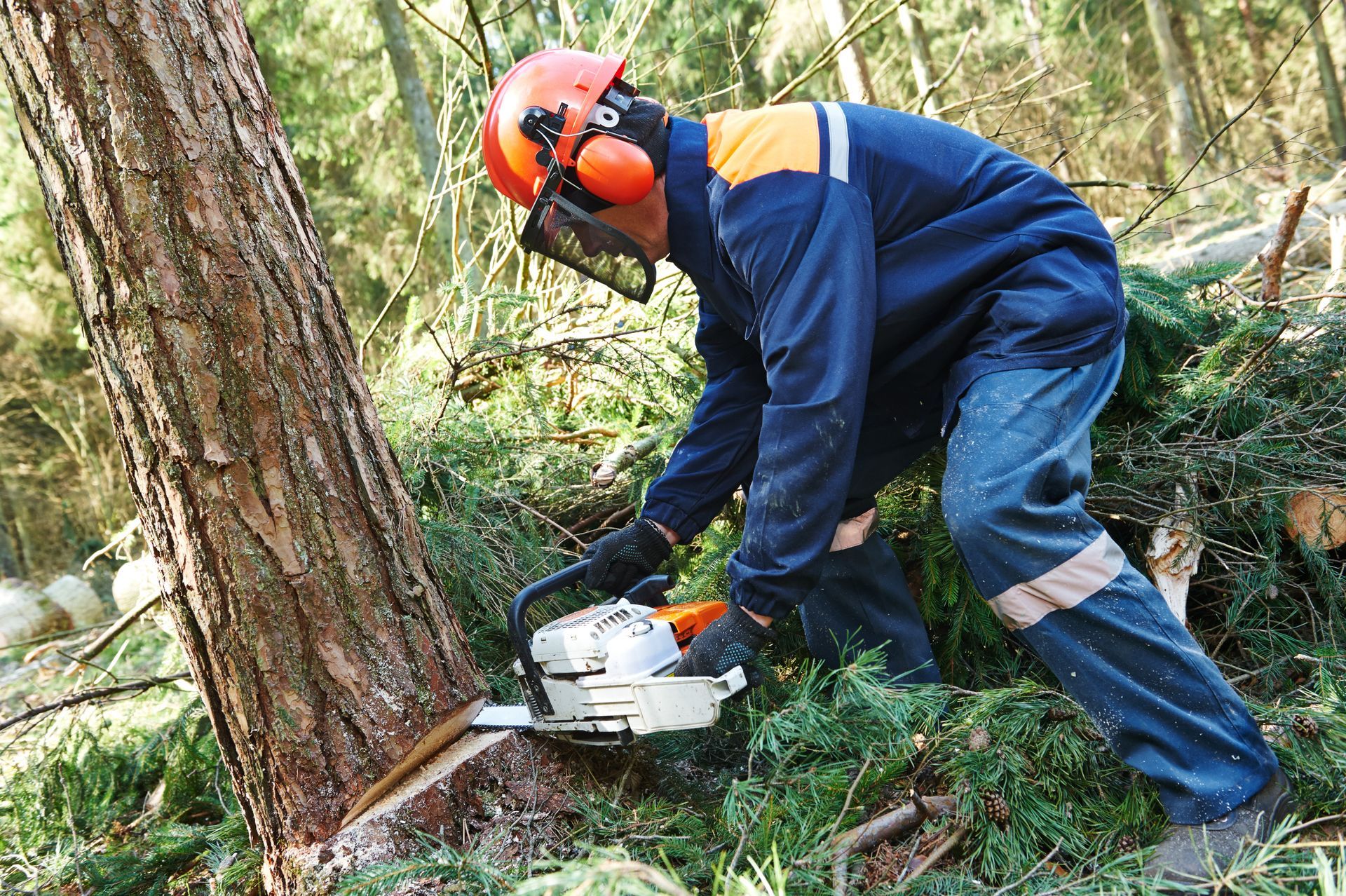
This unit of competency describes the skills and knowledge required to assess and fell basic trees manually using a chainsaw, and to complete routine operator chainsaw maintenance.
The unit applies to individuals who possess existing proficiency in operating a chainsaw and are required to fell basic trees as part of arboriculture, forestry, agriculture, conservation and land management, local government, emergency services and other government agency operations. With the exception of minor forest produce, this unit does not apply to commercial harvesting operations.
Trees typical to the scope of this unit may have some of the following characteristics:
- lean and where distribution of the crown weight does not create a complex situation to assess, place the cut or fall
- no excessive lean
- no visible damage or defect
- uniform in structure
- species that are not prone to free splitting and adverse reactions during felling
- single stem or non-complex multi-stems
- small or medium diameter that is not more than chainsaw bar length and can be safely felled using standard and basic felling techniques
- site characteristics that do not add significant complexity to the operation.
All work must be carried out to comply with workplace procedures, according to state/territory health and safety regulations, legislation and standards that apply to the workplace.
No licensing, legislative or certification requirements apply to this unit at the time of publication.
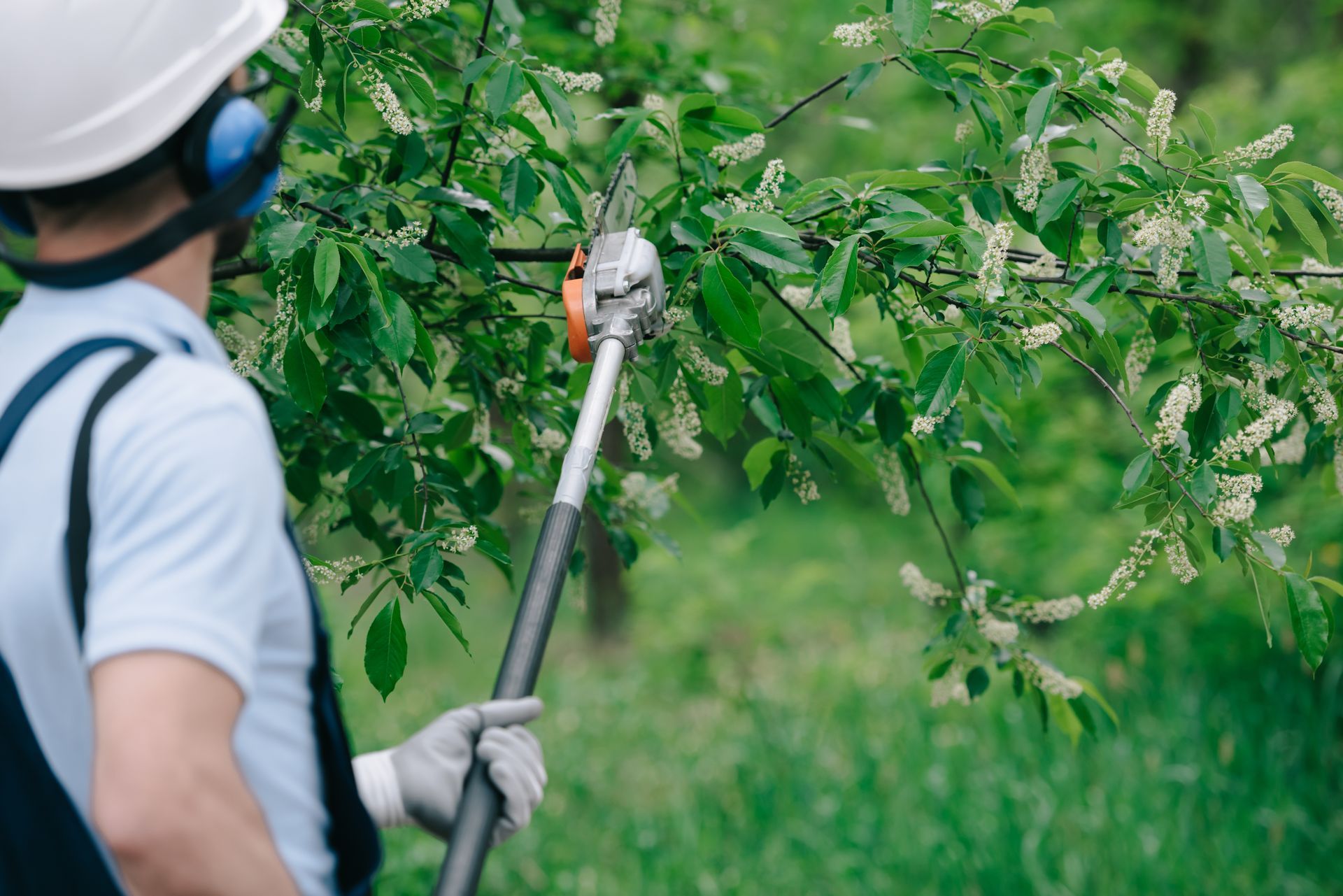
This unit of competency describes the skills and knowledge required to use a fuel or battery powered pole saw to trim tree branches within safe height and angle limits.
The unit applies to individuals who operate pole saws to trim tree branches as part of arboriculture, forestry, agriculture, conservation and land management, local government, emergency services and other government agency operations.
All work must be carried out to comply with workplace procedures, according to state/territory health and safety regulations, legislation and standards that apply to the workplace.
No licensing, legislative or certification requirements apply to this unit at the time of publication.
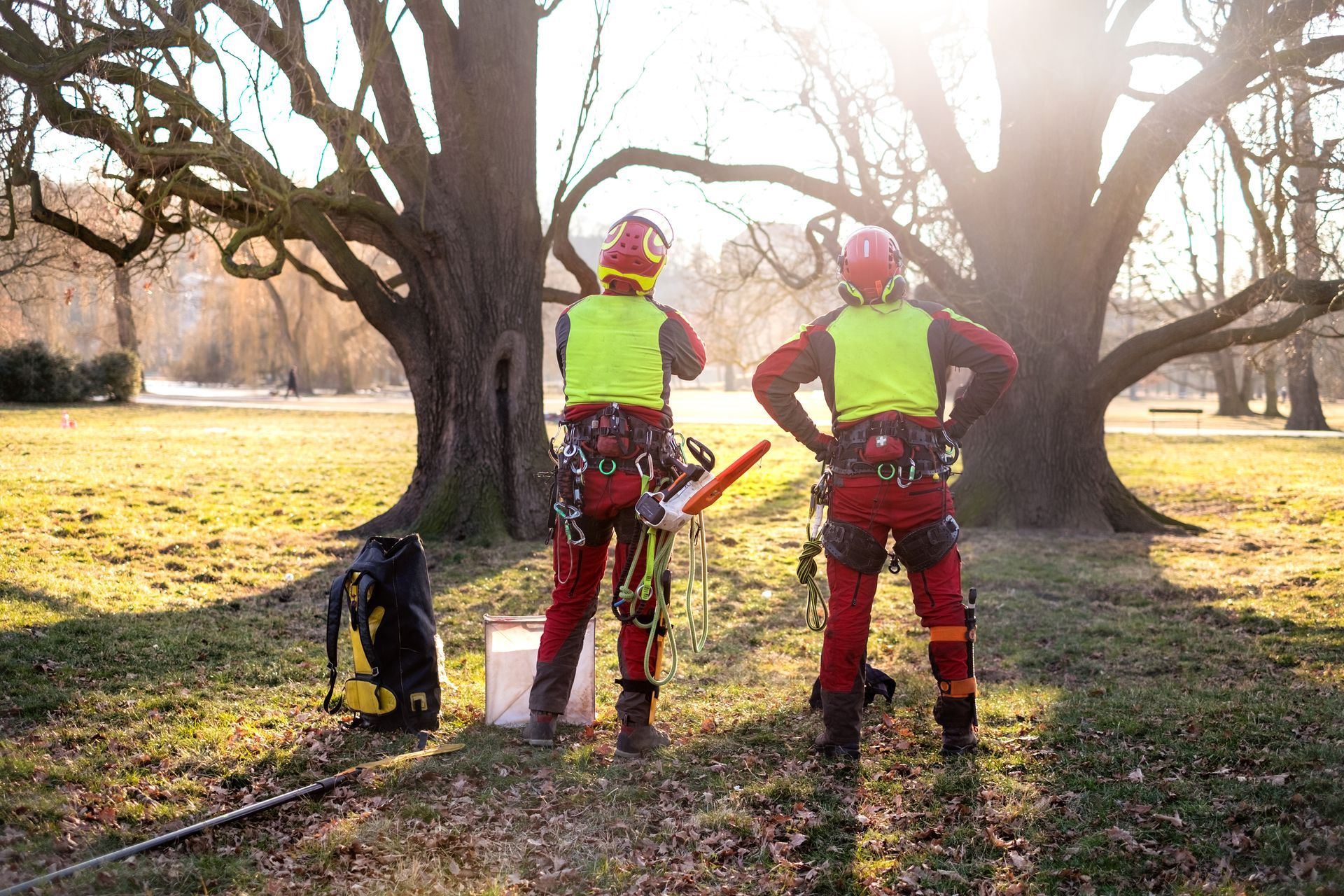
This unit of competency describes the skills and knowledge required to assess, plan and safely carry out manual felling of intermediate trees using a chainsaw. This unit covers the felling procedures for trees with a level of complexity that requires significant tree assessment and practical felling skills.
The unit applies to individuals who possess existing proficiency in operating a chainsaw and are required to fell intermediate trees as part of arboriculture, forestry, agriculture, conservation and land management, local government, emergency services and other government agency operations. With the exception of minor forest produce, this unit does not apply to commercial harvesting operations.
Individuals competent in this unit should be able to effectively fell most trees, except advanced trees and/or those with significant defects and/or characteristics that cause excessive complexity.
Trees typical to the scope of this unit may have some of the following characteristics:
- lean and where weight distribution that can be assessed and readily adapted to falling direction with the use of wedges and/or controlled with hinge wood of a larger size than typical for the local environment
- limited visible damage or defect
- multi-stems
- forward lean, backward lean or side lean
- small or medium size diameter trees that can be safely felled with intermediate felling techniques
- dead trees with minimal visible damage or defects that do not add significant complexity to the cutting technique
- various dimensions relative to other trees when working in a forest environment
- in local site conditions that add additional complexity to the felling operation, including site conditions that impact the working position of the operator or the natural direction of fall of the tree.
- All work must be carried out to comply with workplace procedures, according to state/territory health and safety regulations, legislation and standards that apply to the workplace.
No licensing, legislative or certification requirements apply to this unit at the time of publication.
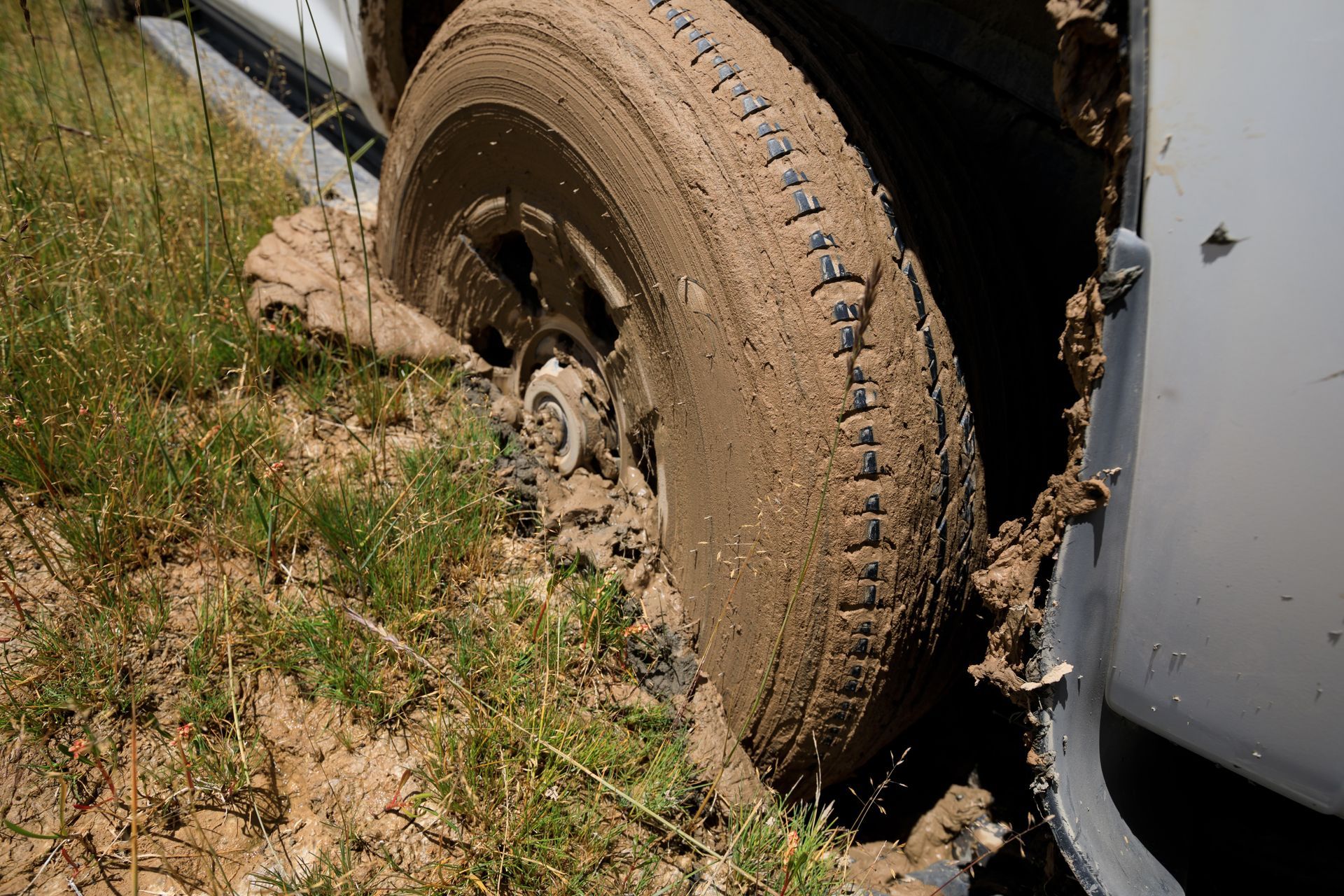
This unit of competency describes the skills and knowledge required to use recovery equipment to recover four wheel drive vehicles in difficult terrain conditions.
The unit applies to individuals who recover four wheel drive vehicles in a variety of work settings and industry sectors, including forestry, agriculture, construction, tourism and energy.
All work must be carried out to comply with workplace procedures, according to state/territory health and safety regulations, legislation and standards that apply to the workplace.
Individuals must hold a driver licence or a provisional driver licence prior to commencing this unit of competency.

This unit describes the performance outcomes required to drive and manoeuvre a trailer while it is attached to a driving vehicle. It involves inspecting the trailer before use, connecting the trailer to a vehicle, driving the trailer, and disconnecting the trailer from the vehicle.
It applies to those working in the automotive service and repair industry. The trailers may have non-pivoting axles or pivoting front axles.
No licensing, legislative, regulatory or certification requirements apply to this unit at the time of publication.

This unit of competency covers the skills and knowledge required to prepare and operate vehicles and related equipment to patrol pipelines or otherwise drive across a variety of terrains.
This unit of competency applies to operators who are required to check their vehicle daily for damage, ensure fuels and lubricant levels are maintained, effect minor repairs, prepare and maintain field equipment, and communicate with their base station.
In a typical scenario an operations technician patrols areas of pipeline or follows pipelines across a variety of terrains looking for problems which require maintenance or reporting, or drives to remote facilities. During the course of their work they must check the vehicle for mechanical soundness before leaving base, ensure it is securely and adequately packed, make certain their communications equipment and contact schedule are in order and generally be prepared for long periods off-road.
Generally the operations technician would be part of a team during field trips, though they may be required to undertake limited trips. At all times they would be liaising and cooperating with their base station.
Operators must have the appropriate class of driver's licence before taking charge of the vehicle.
No other licensing, legislative or certification requirements apply to this unit at the time of publication.
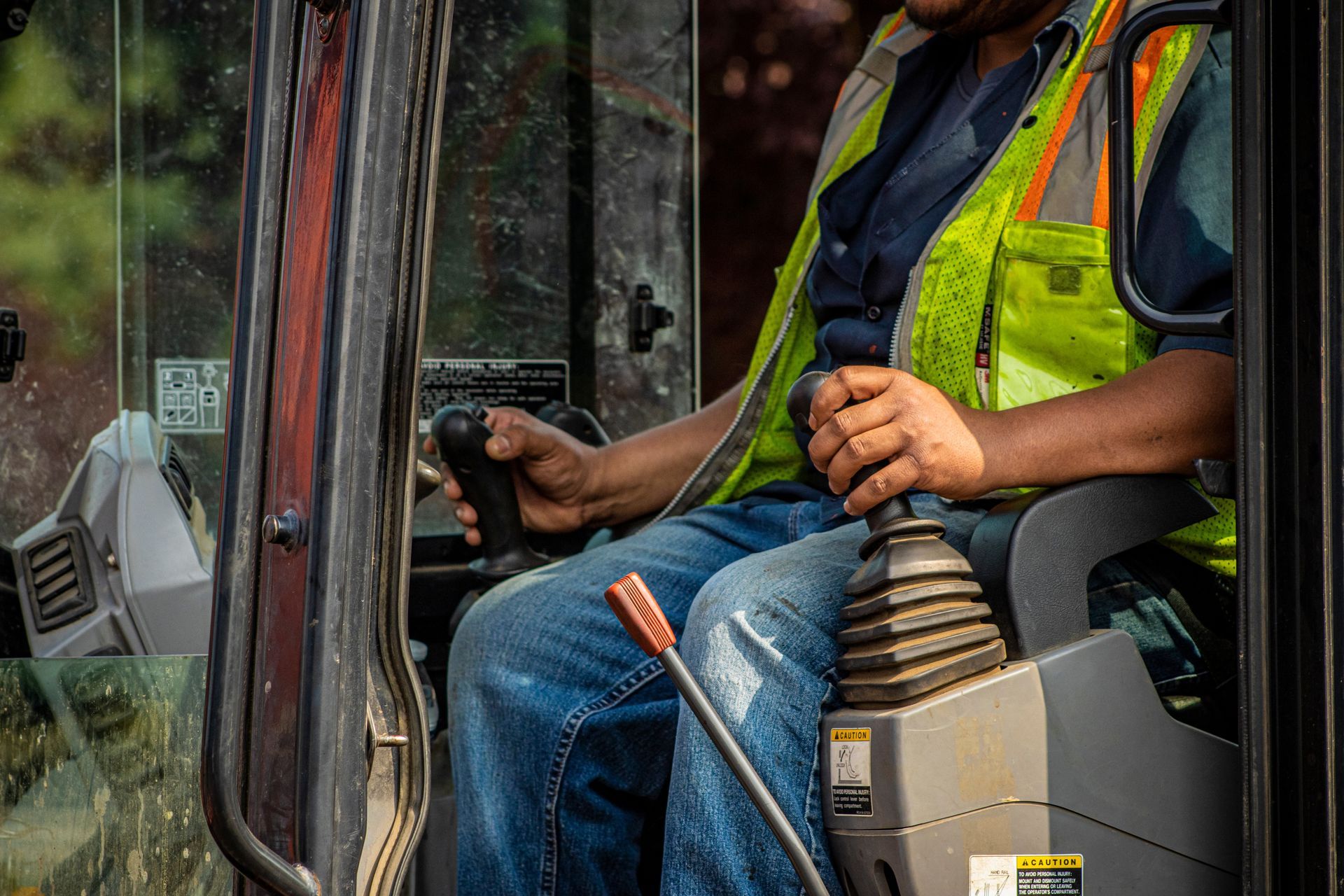
This unit describes the skills and knowledge required to test operational functions of vehicles and equipment in the resources and infrastructure industries.
It applies to those working in supervisory and technical specialist roles. They generally work under minimal supervision to undertake a broad range of skilled applications in varied work contexts, using some discretion and judgement in selecting equipment, services or contingency measures.
Licensing, legislative and certification requirements may apply to this unit and can vary between states, territories and industry sectors. Users must check requirements with relevant body before applying the unit.
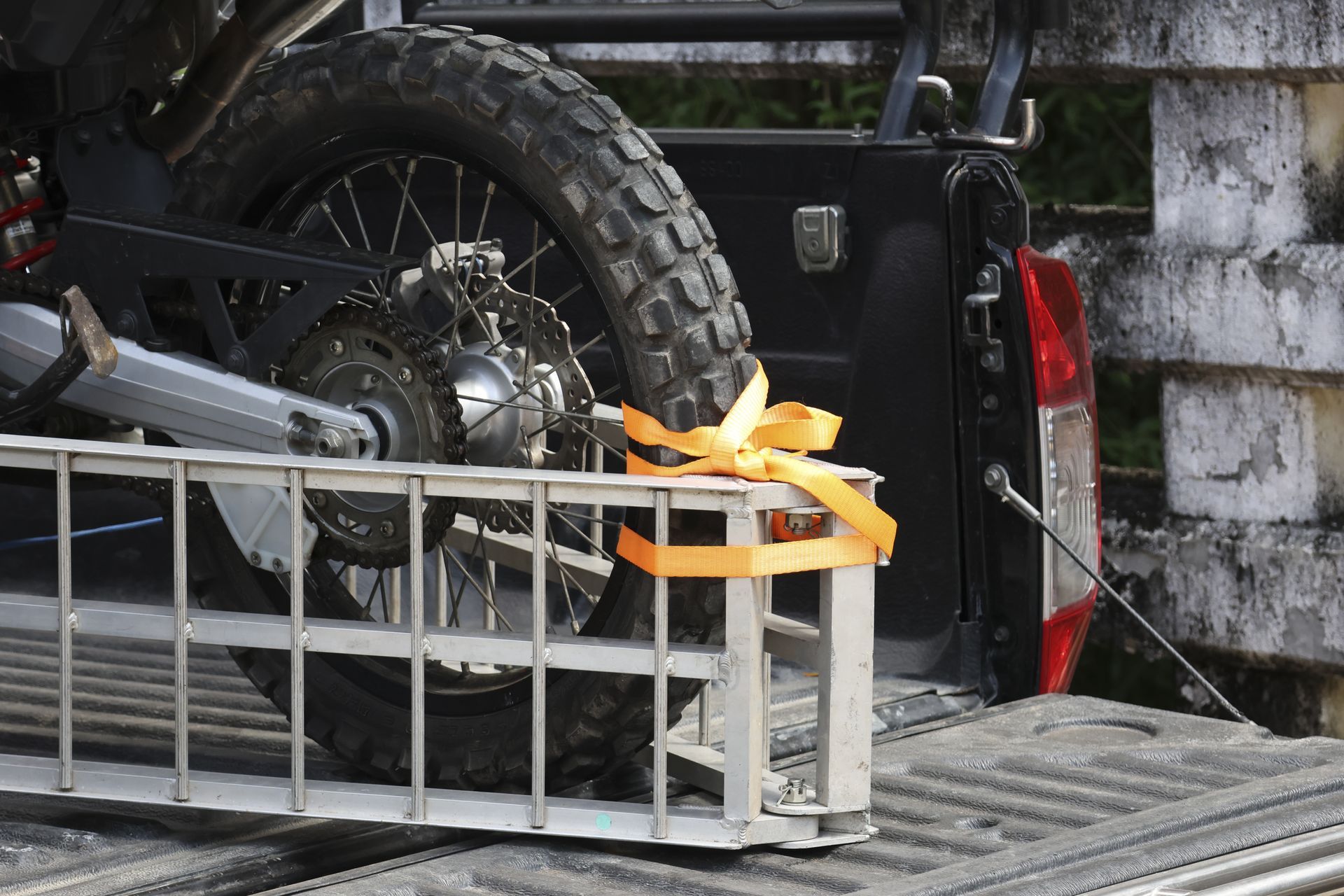
This unit involves the skills and knowledge required to secure cargo, in accordance with procedures and regulatory requirements, as part of work activities within industry.
It includes preparing to secure cargo/containers, lashing and unlashing cargo, protecting cargo from weather and packing and unpacking cargo.
Work is performed under some supervision, generally within a team environment. No licensing, legislative or certification requirements apply to this unit at the time of publication.

This unit involves the skills and knowledge required to carry out inspection of a commercial vehicle, including hauling units and any attached trailer, in accordance with relevant workplace procedures.
It includes conducting routine checks, cleaning vehicles, ensuring all specified safety requirements are met and ensuring vehicles are operational according to workplace procedures.
Work is performed with limited or minimum supervision, and with duty of care for self and others in achieving the prescribed outcomes.
No licensing, legislative or certification requirements apply to this unit at the time of publication.

This unit involves the skills and knowledge required to load and unload goods and/or cargo.
It includes loading and unloading goods and cargo, securing and protecting a load and completing all required documentation in accordance with relevant state or territory roads and traffic authority regulations and permit requirements.
Work is performed under general supervision within a team environment.
No licensing, legislative or certification requirements apply to this unit at the time of publication.

This unit involves the skills and knowledge required to ensure the safety of transport activities.
It includes identifying features and applying chain of responsibility obligation in the Heavy Vehicle National Law (HVNL) or applicable state/territory law and regulations. It also includes identifying and reporting chain of responsibility risks.
Transport activities as defined by the HVNL or applicable state/territory law and regulations.
Work is performed under close direction, generally within a team environment.
No licensing, legislative or certification requirements apply to this unit at the time of publication.
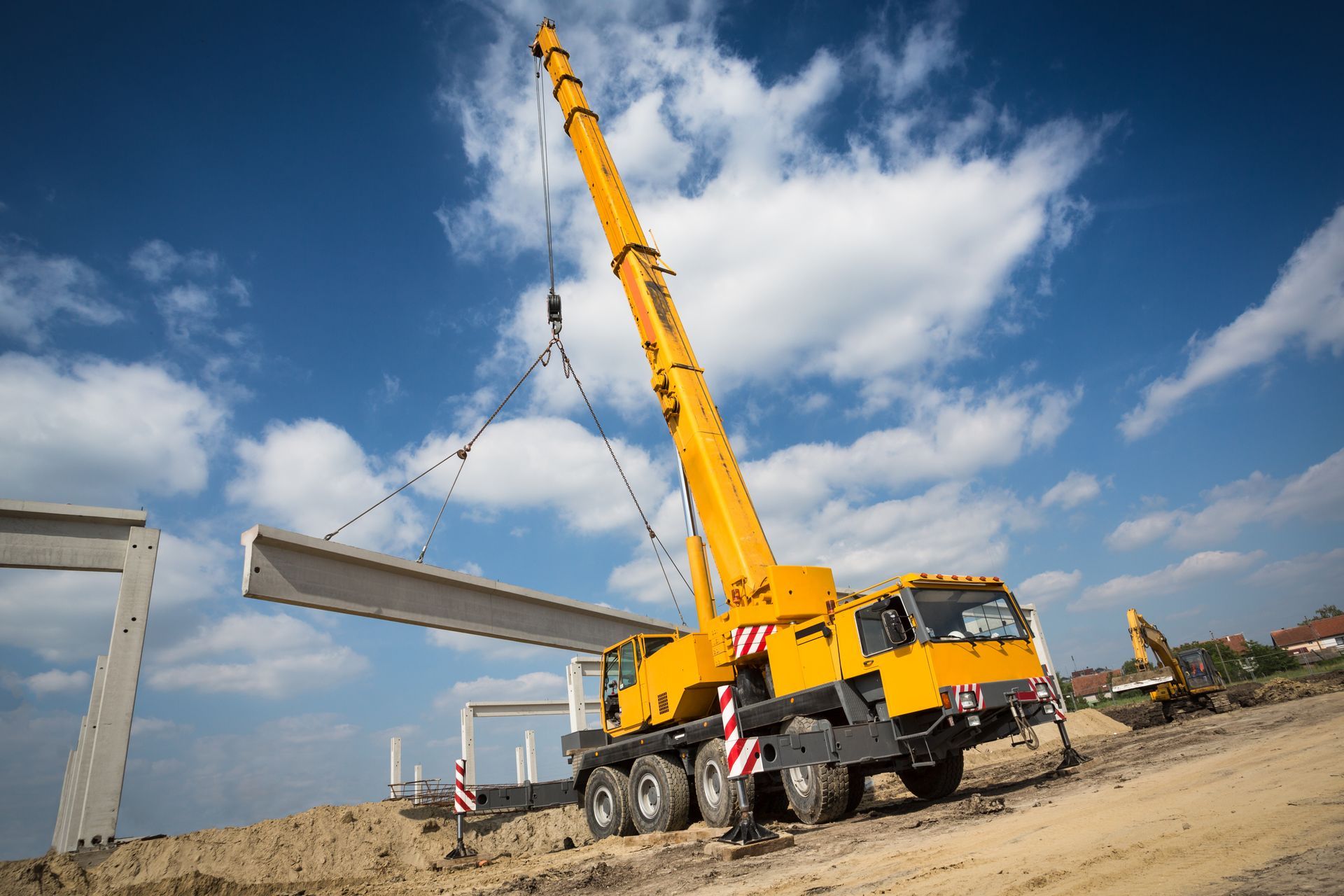
This unit specifies the skills and knowledge required to safely operate a slewing mobile crane with a Maximum Rated Capacity (MRC) up to 60 tonnes in accordance with all relevant legislative responsibilities. Competence in this unit, does not in itself result in a High-Risk Work Licence (HRWL) to operate this plant.
Slewing mobile crane means a mobile crane incorporating a boom or jib that can be slewed, but does not include:
- A front-end loader, or
- a backhoe, or
- an excavator, or
- other earth moving equipment, when configured for crane operation.
A person performing this work is required to hold a slewing mobile crane with an MRC up to 60 tonnes HRWL.
This unit requires a person operating a slewing mobile crane with an MRC up to 60 tonnes to:
- plan for the work/task
- prepare for the work/task
- perform work/task
- pack up
Licensing/Regulatory Information
Legislative and regulatory requirements are applicable to this unit of competency.
This unit is based on the licensing requirements of Part 4.5 of the Model Work Health and Safety (WHS) regulations and meets Commonwealth, state and territory HRWL requirements.
The National Assessment Instrument (NAI) is the mandated assessment for the HRWL to operate the relevant licensing class as detailed in this unit.
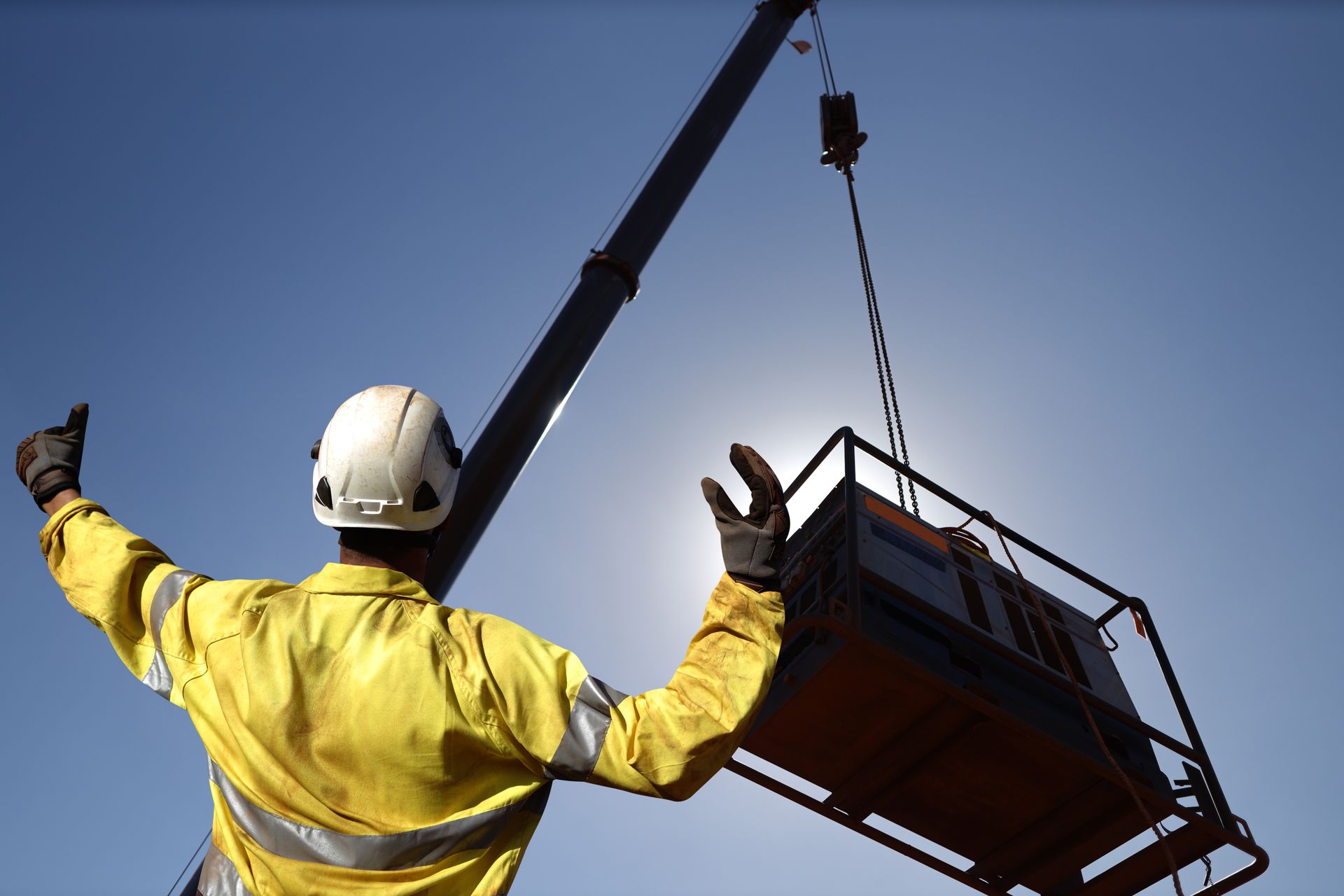
This unit specifies the skills and knowledge required to safely perform dogging work. Dogging consists of the application of slinging techniques to move a load, including the selection and inspection of lifting gear, and the directing of a plant operator in the movement of a load when the load is out of sight of the operator.
Dogging work is conducted in the construction industry and other industries where loads are lifted and moved using cranes or hoists.
Completion of the general construction induction training program, specified in the Safe Work Australia model Code of Practice: Construction Work, is required by anyone carrying out construction work. Achievement of CPCWHS1001 Prepare to work safely in the construction industry meets this requirement.
Competence in this unit does not in itself result in a licence. A licence is obtained after competence is assessed under applicable Commonwealth, state or territory work health and safety (WHS) regulations.
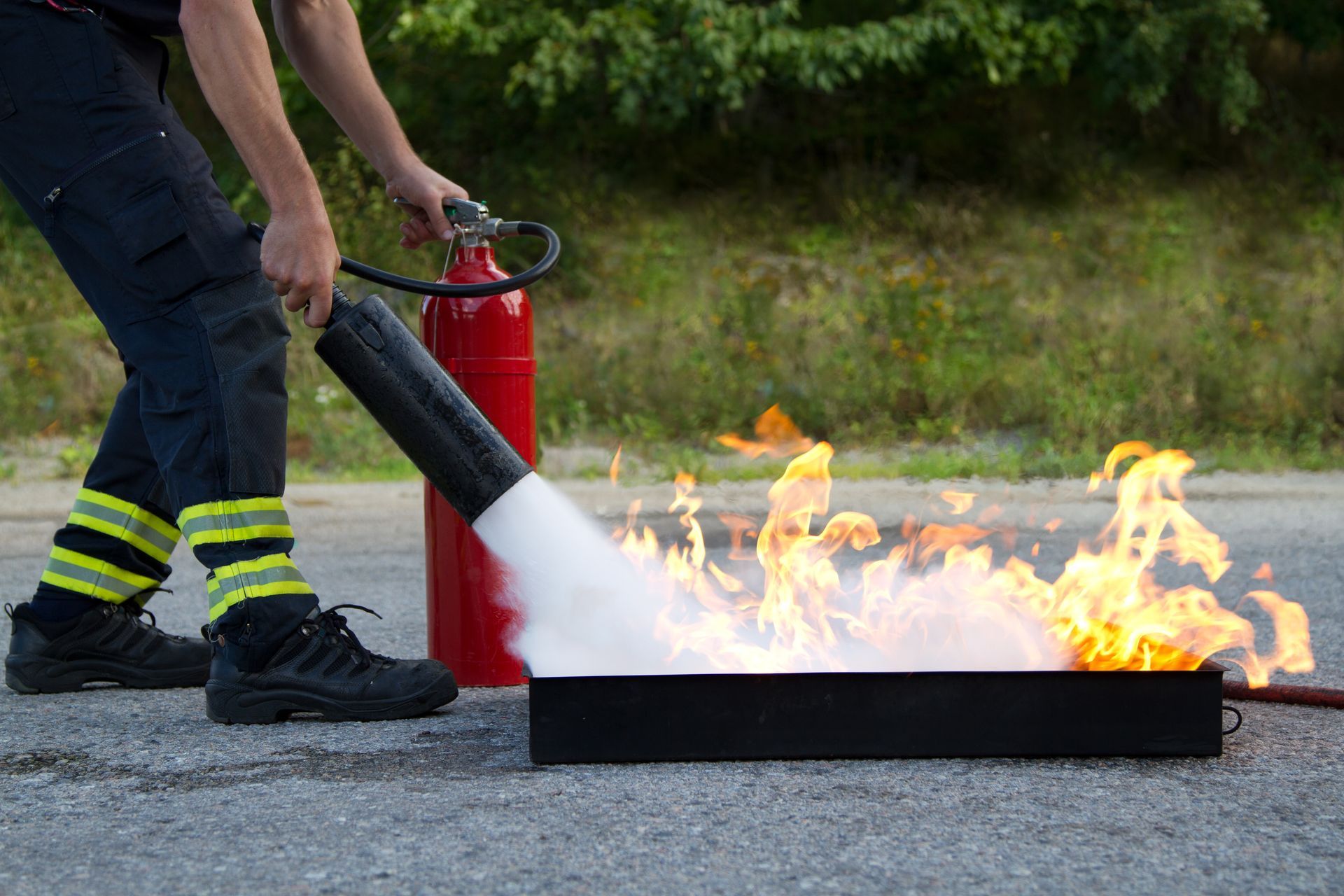
This unit of competency specifies the skills and knowledge required to demonstrate first attack firefighting equipment. It includes demonstrating and explaining to clients how to correctly and safely use portable fire extinguishers, fire hose reels and fire blankets in emergency situations.
The unit is suitable for those with basic skills and knowledge undertaking routine work tasks under the direction of more experienced workers.
Licensing, legislative, regulatory or certification requirements apply to this unit of competency in some states and territories. For further information, check with the relevant regulatory authority.
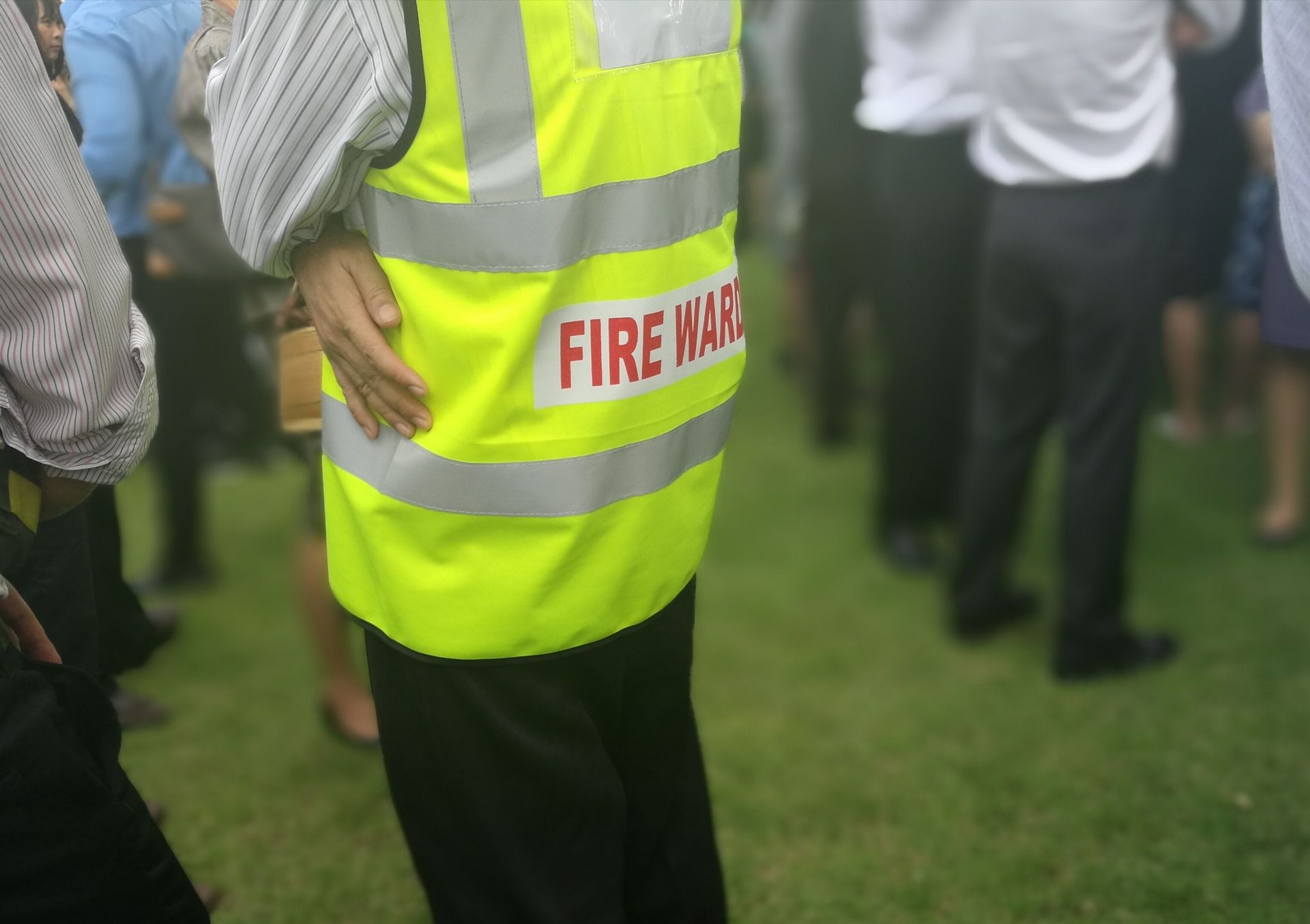
This unit of competency involves the skills and knowledge required to work within the command, control and coordination structure of an Emergency Control Organisation (ECO). An ECO's priority is the safety of facility occupants and visitors during an emergency which means ECO members are responsible for pre-emergency, emergency and post emergency actions. It includes undertake pre-emergency planning, taking appropriate actions in an emergency and assisting with post emergency activities.
The unit has been developed to cover the facilities as specified in Australian Standard (AS) 3745 and AS4083. For this unit, as covered by AS3745 and/or AS4083, occupants are people attending a facility on a permanent or temporary basis such as an employee, contractor, student or resident, but not a visitor or patient and a facility is a building, structure or workplace that is, or may be, occupied by people (occupants).
All aspects of the unit must be undertaken in accordance with legislative requirements, organisational policies and procedures and accepted safe practices. It applies to members of an ECO who are floor or area wardens and/or wardens or deputy wardens.
No licensing, legislative or certification requirements apply to this unit at the time of publication.
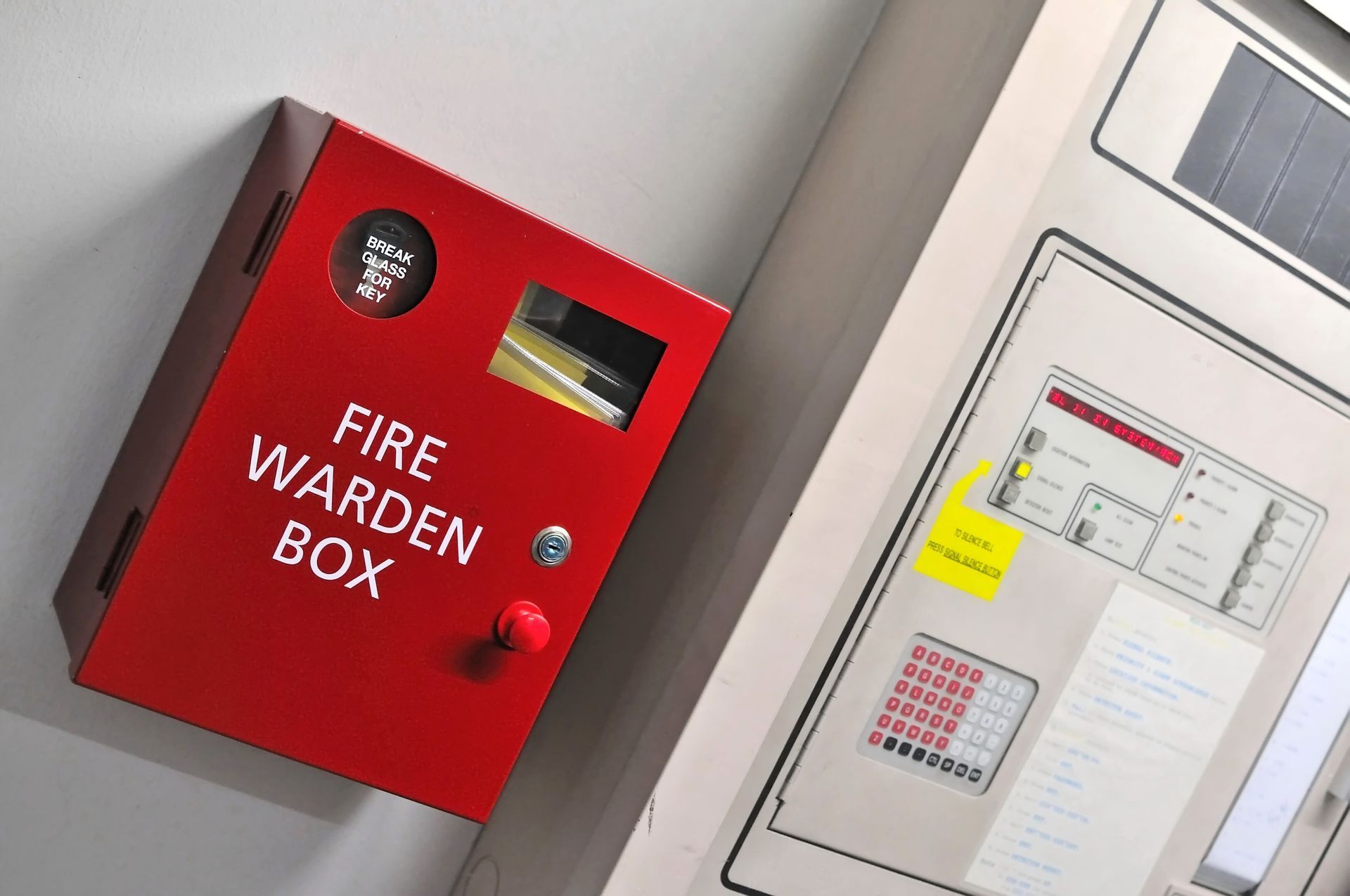
This unit of competency involves the skills and knowledge required to make decisions about the safety of occupants during a facility emergency and to give instructions on the priority order for responding to an emergency incident.
It includes leading the preparation of facility emergency response procedures; commanding, controlling and coordinating facility emergency response procedures and responses and concluding the facility emergency incident. Individuals who undertake this work may also act as the primary liaison with emergency services after their arrival.
The unit has been developed to cover the facilities as specified in Australian Standard (AS) 3745 and AS4083. For this unit, as covered by AS3745 and AS4083, occupants are people attending a facility on a permanent or temporary basis such as an employee, contractor, student or resident, but not a visitor or patient and a facility is a building, structure or workplace that is, or may be, occupied by people (occupants).
All aspects of the unit must be undertaken in line with legislative requirements, organisational policies and procedures and approved safe practices. It applies to members of an Emergency Control Organisation (ECO) who are chief wardens, deputy chief wardens and communications officers.
No licensing, legislative or certification requirements apply to this unit at the time of publication.
This training has a pre-requisite Unit of Competency - PUAFER005 Operate as part of an emergency control organisation
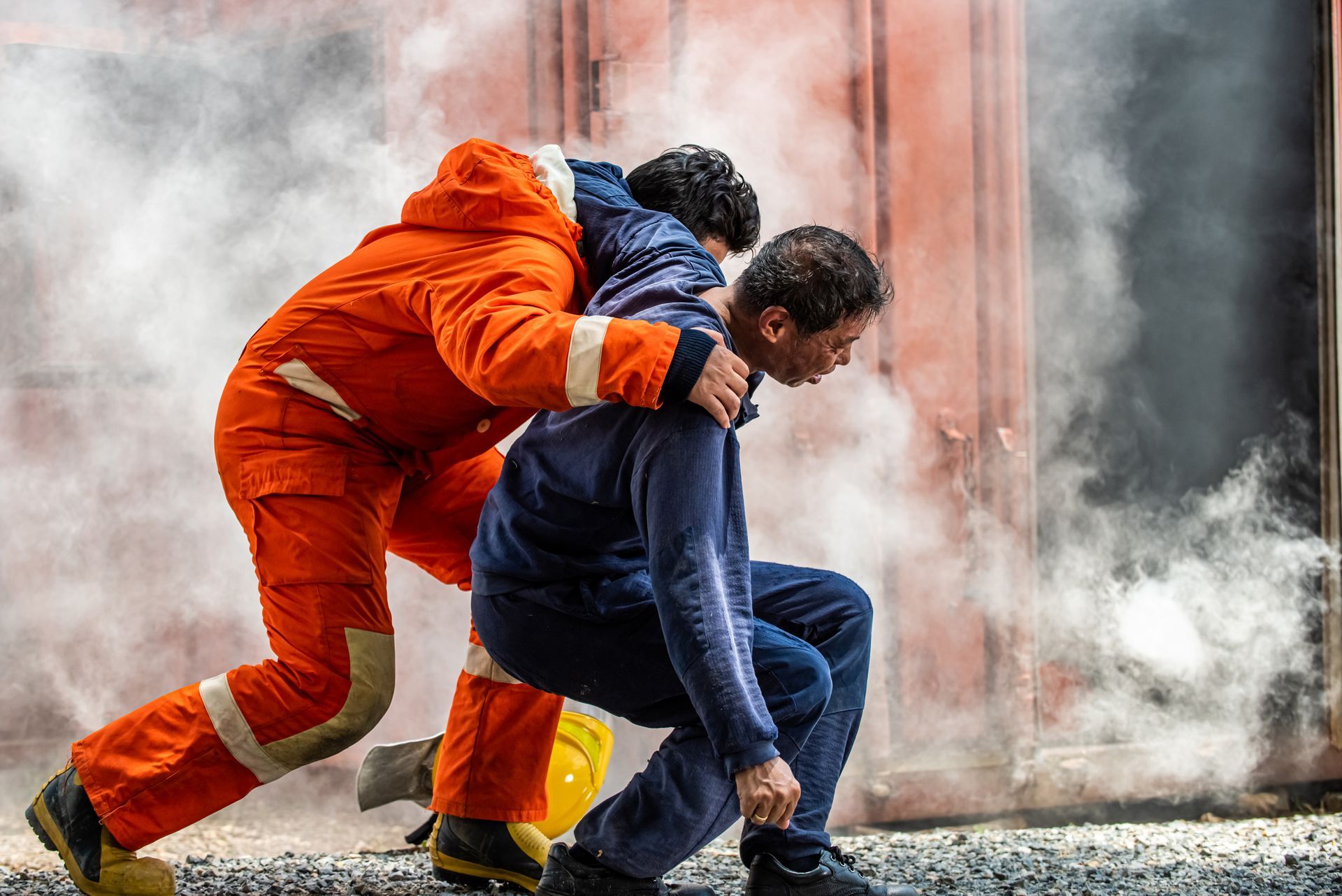
This unit of competency involves the skills and knowledge required to confine small emergencies in a facility and it applies to occupants who are required to have first attack firefighting skills. It includes preparing for emergency situations, identifying and assessing an emergency, safely confining emergencies, using initial response equipment and reporting on the facility's emergency response.
Small emergencies in a facility include incidents such as small fires that can be controlled using a fire extinguisher; chemical spills that can be controlled using facility personal protective clothing and equipment and a spill kit; or a vehicle accident where there is no significant injury or damage.
The unit has been developed to cover the facilities as specified in Australian Standard (AS) 3745 and AS4083. For this unit, as covered by AS3745 and/or AS4083, occupants are people attending a facility on a permanent or temporary basis such as an employee, contractor, student or resident, but not a visitor or patient and a facility is a building, structure or workplace that is, or may be, occupied by people (occupants).
All aspects of the unit must be undertaken in line with legislative requirements, organisational policies and procedures, and accepted safe work practices.
No licensing, legislative or certification requirements apply to this unit at the time of publication.
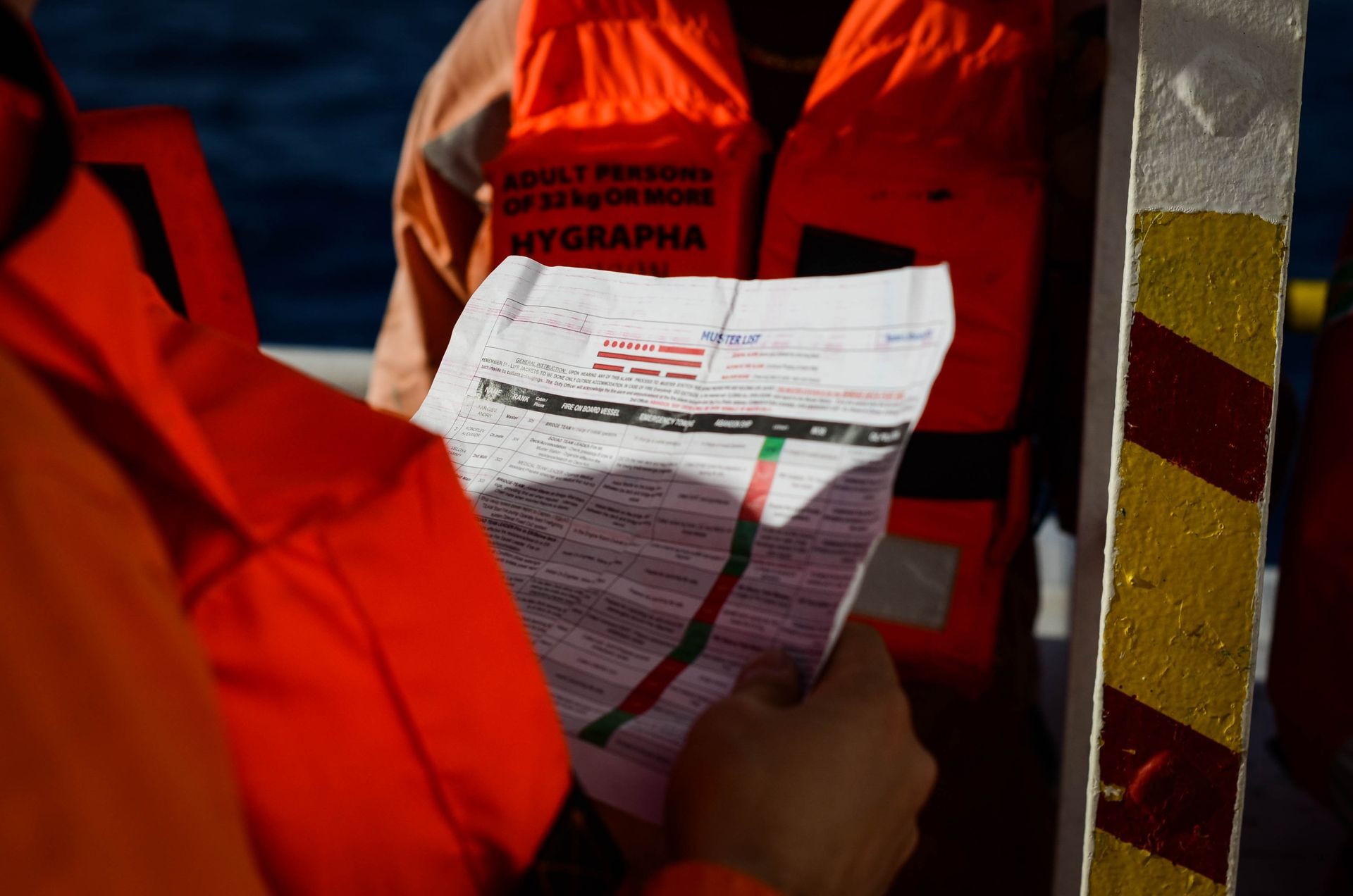
This unit involves the skills and knowledge required to identify and avoid workplace hazards and risks, to maintain personal safety and to report identified issues to supervisors and team members.
It is designed as an introduction to safe work practices and is specifically relevant to a workplace requiring personnel to be involved in incidents, prescribed burns and/or operational aspects of emergency management. It includes identifying, implementing and monitoring effectiveness of workplace hazards and risk control procedures.
The unit applies to personnel who work as a member of a team. Work at this level is undertaken under direct supervision and instruction.
The fire sector is those sections of government departments, statutory authorities or organisations that have responsibility under jurisdictional arrangements for the delivery of firefighting and fire management services.
No licensing, legislative or certification requirements apply to this unit at the time of publication.
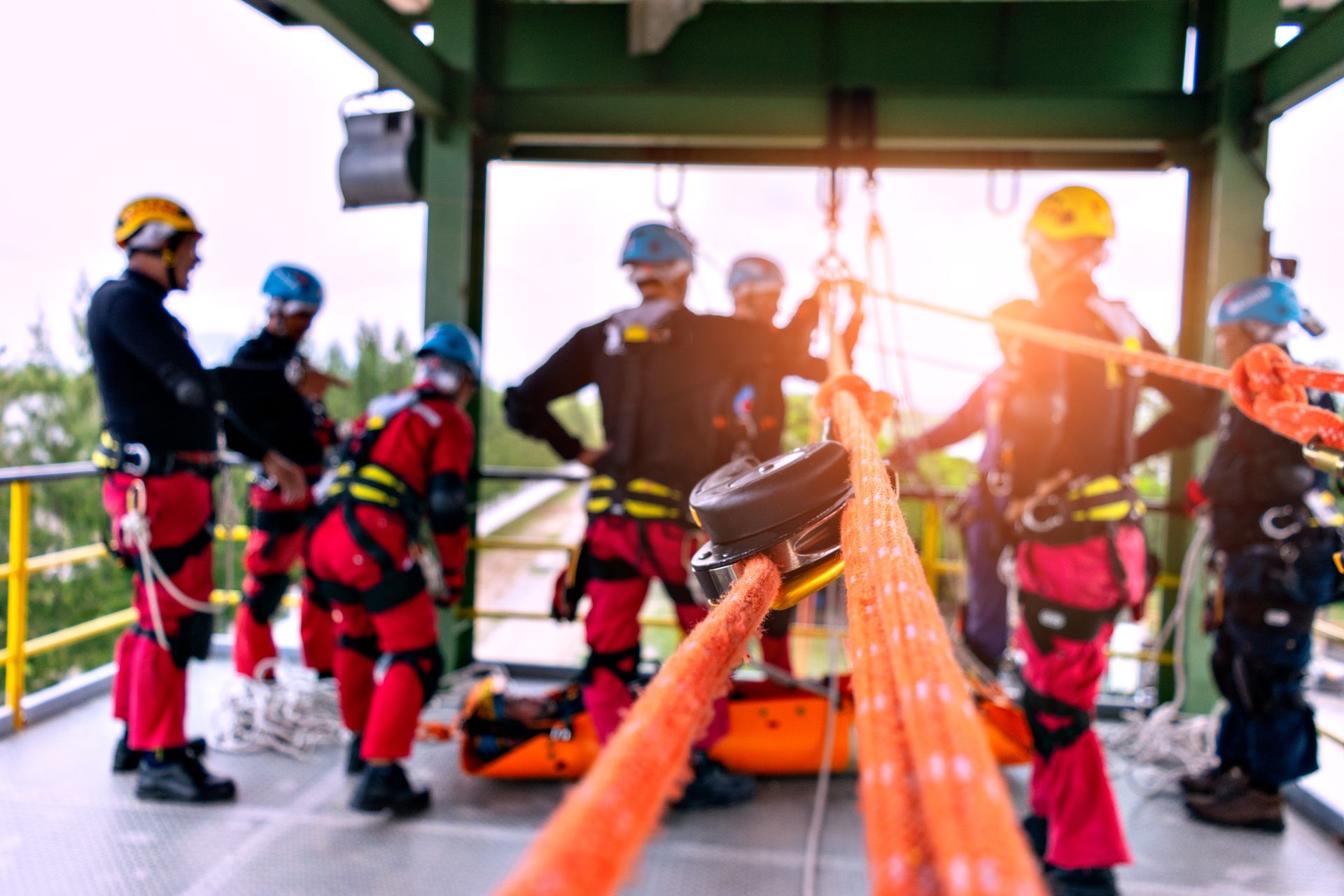
Typically, personnel performing these roles have completed induction or recruitment training and are commencing work as a member of an operational team. They will work under supervision in a team but may be responsible for completing singular tasks relating to a rescue.
It is applicable to personnel from the emergency services, volunteer organisations and/or associated industries.
No licensing, legislative or certification requirements apply to this unit at the time of publication.

This unit describes the skills and knowledge required to perform cardiopulmonary resuscitation (CPR) in line with the Australian Resuscitation Council (ARC) guidelines.
This unit applies to all persons who may be required to provide CPR, in a range of situations, including community and workplace settings.
Specific licensing/regulatory requirements relating to this competency, including requirements for refresher training should be obtained from the relevant national/state/territory Work Health and Safety Regulatory Authorities.

This unit describes the skills and knowledge required to recognise and respond to life-threatening emergencies in line with first aid guidelines determined by the Australian Resuscitation Council (ARC) and other Australian national peak clinical bodies.
This unit applies to all persons who may be required to provide an emergency response in a range of situations, including community and workplace settings.
Specific licensing/regulatory requirements relating to this competency, including requirements for refresher training should be obtained from the relevant national/state/territory Work Health and Safety Regulatory Authorities
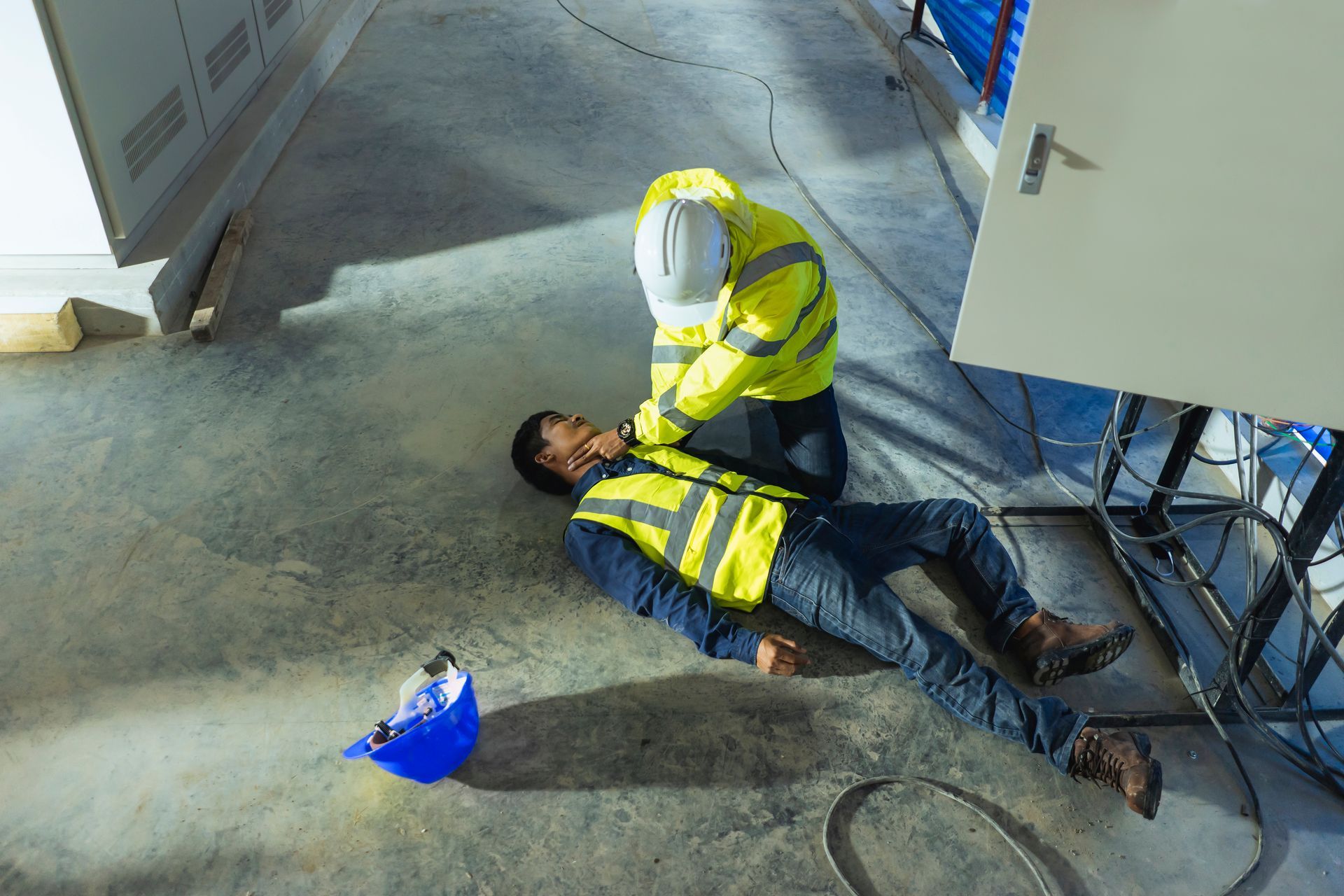
This unit involves the skills and knowledge required to perform a rescue from live low voltage (LV) electrical apparatus in an electrical industry environment. This does not include overhead lines and underground cables.
It includes the organisational workplace requirements for the inspection and use of live LV panel rescue equipment, and how it applies to electricity supply industry (ESI) workers and/or electrical industry workers to meet work health and safety (WHS)/occupational health and safety (OHS), mobility and mutual aid requirements.
This training has a pre-requisite Unit of Competency - HLTAID009 Provide cardiopulmonary resuscitation

This unit involves the skills and knowledge required to work safely in the vicinity of live electrical apparatus as a non-electrical worker.
It includes compliance with safe approach distances for the worker, plant, tools and equipment.
The application of the skills and knowledge described in this unit may require a licence/registration to practice in the workplace.
Other conditions may also apply under state and territory legislative and regulatory licensing requirements which must be confirmed prior to commencing this unit.
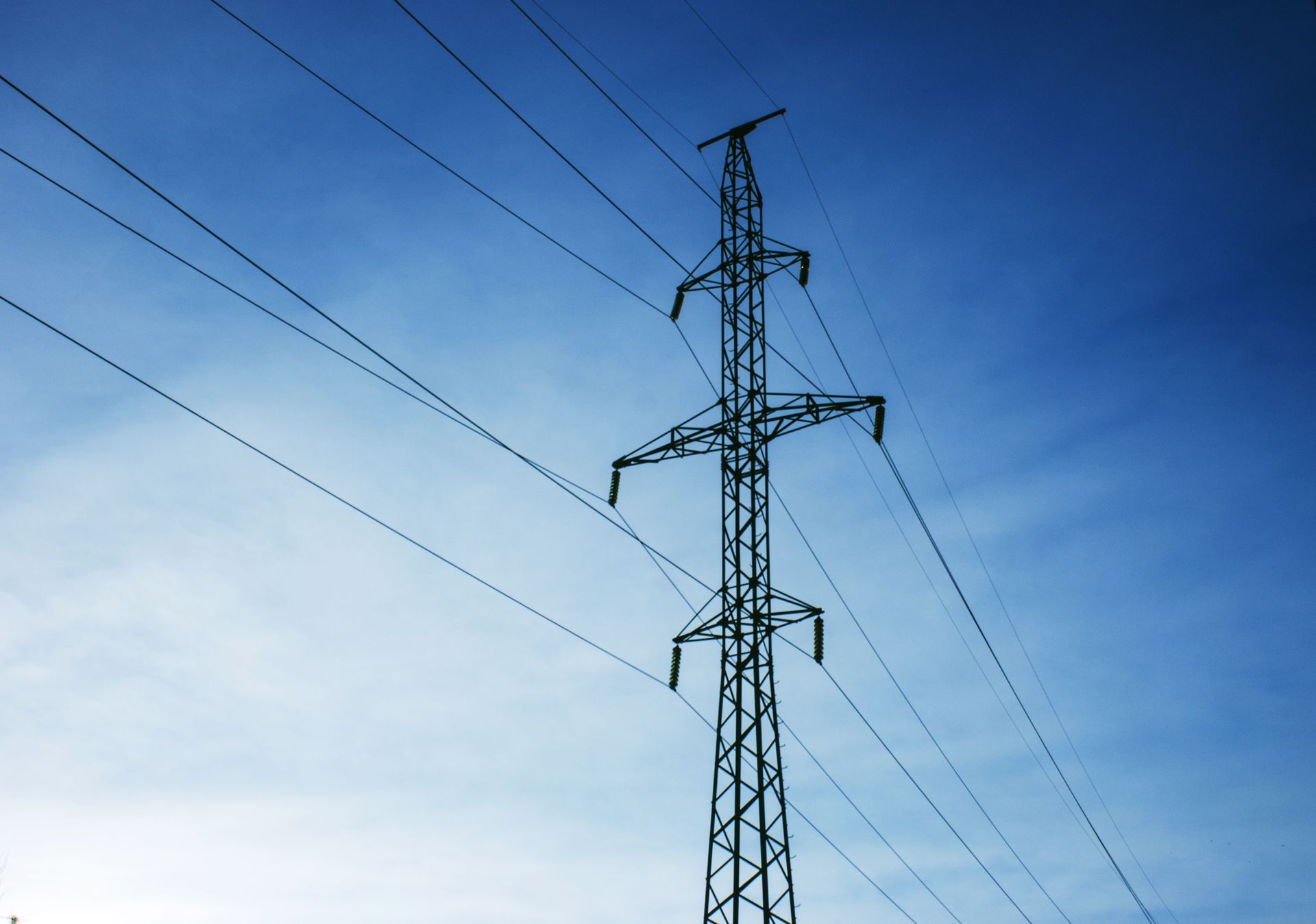
This unit involves the skills and knowledge required to apply work health and safety (WHS)/occupational health and safety (OHS) regulations and codes of practices in the electrotechnology workplace.
It includes applying safe working practices, following workplace procedures for hazard identification and risk control. It also includes electrotechnology worker responsibilities and application for health and safety, risk management and adherence to safety practices as part of electrotechnology work functions when preparing to enter a work area.
No licensing, legislative or certification requirements apply to this unit at the time of publication.
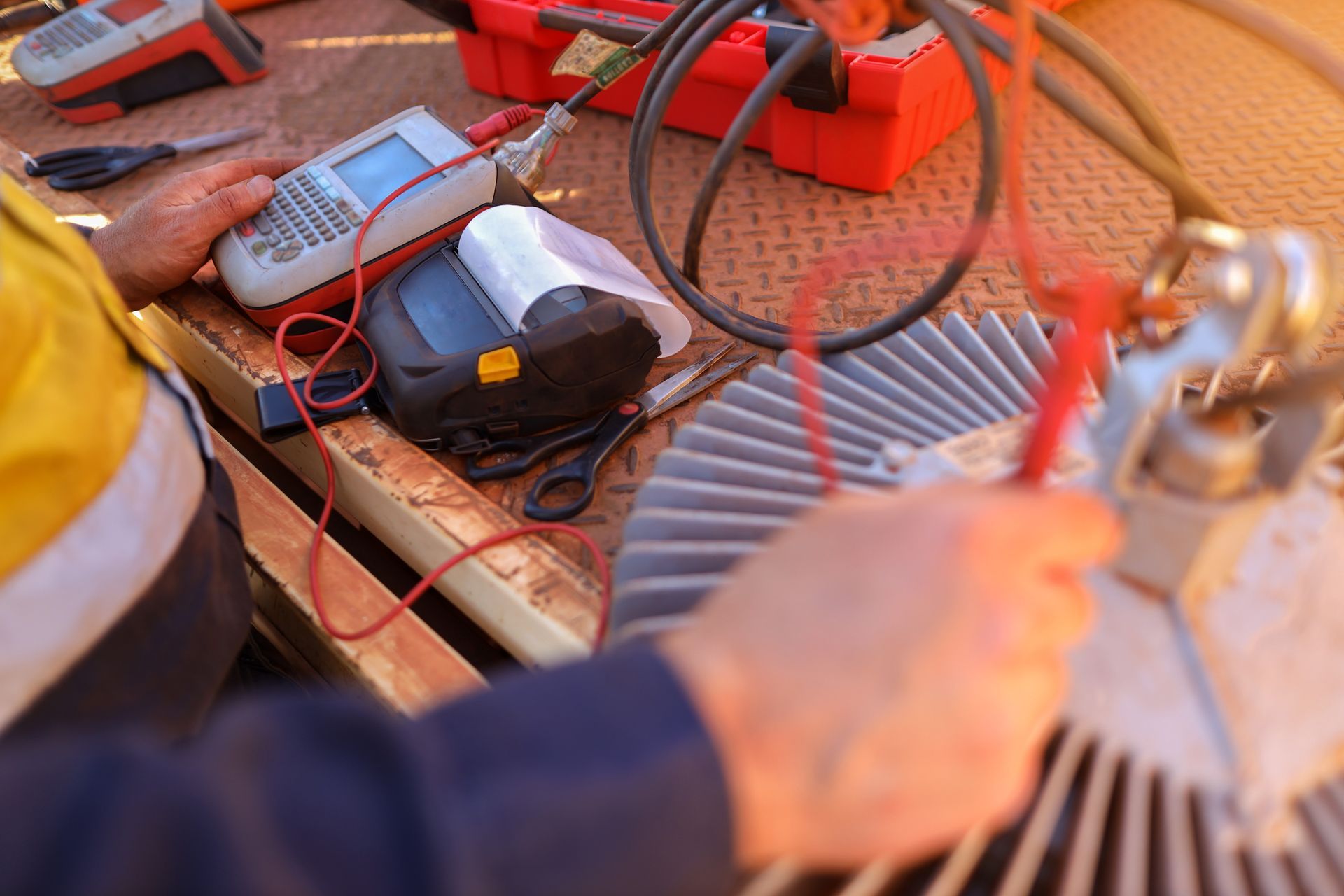
This unit involves the skills and knowledge required to conduct in-service safety testing of electrical cord connected equipment and cord assemblies.
It includes working safely, using portable appliance tester (PAT), identifying faults, applying tagging, arranging for repair of faulty equipment and complete testing documentation.
No licensing, legislative or certification requirements apply to this unit at the time of publication.
This training has a pre-requisite Unit of Competency - UEECD0007 Apply work health and safety regulations, codes and practices in the workplace

This unit of competency describes the skills and knowledge required to identify manual handling requirements of a work function, use manual handling aids to lift or move items, and identify and assess manual handling risks.
This unit applies to individuals who work under supervision in most situations and exercise limited autonomy.
All work must be carried out to comply with workplace procedures according to state/territory health and safety, environmental regulations, legislation and standards that apply to the workplace.
No licensing, legislative or certification requirements apply to this unit at the time of publication.
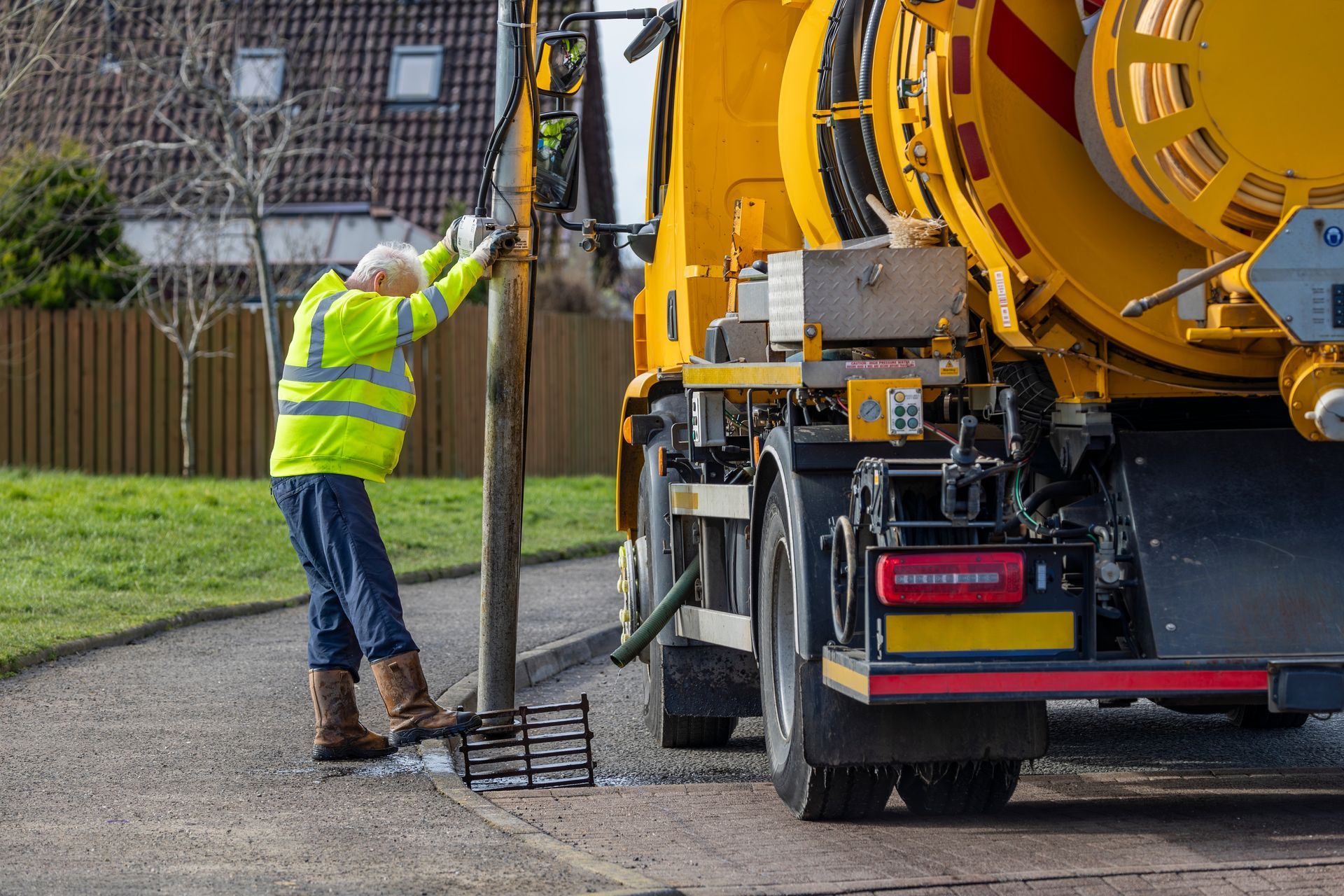
This unit describes the skills and knowledge required to conduct vacuum excavations.
It applies to those working in operational roles in civil construction. They generally work under supervision and hold some responsibility for conducting vacuum excavations.
No licensing, legislative or certification requirements apply to this unit at the time of publication.
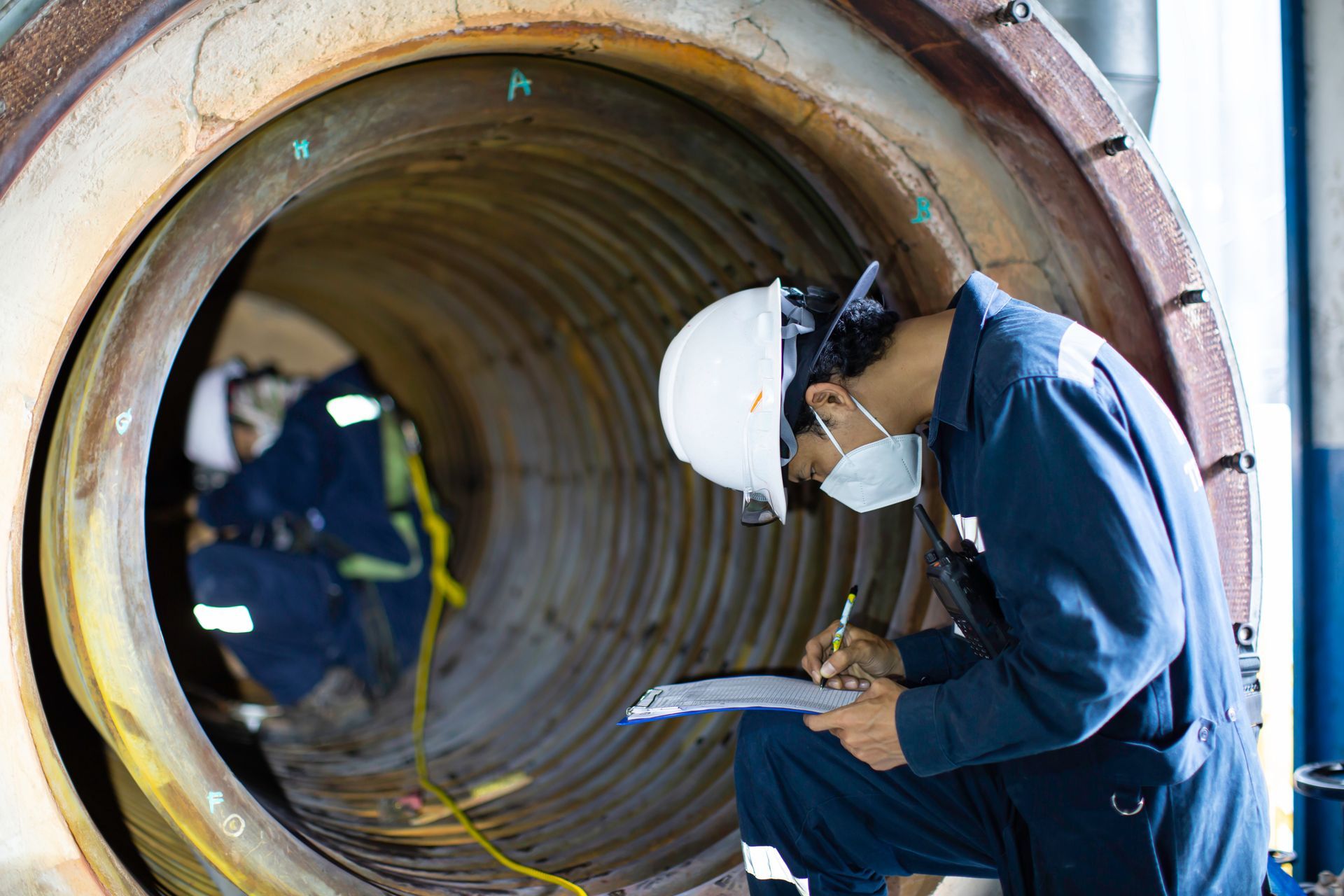
This unit of competency covers the skills and knowledge required to work in accordance with an issued permit. It aims to ensure that people working under a permit to work understand the system, know the limitations of the permit under which they are working and comply with all the requirements of the permit. The people to whom this unit applies may be called 'permit recipients' or 'permit holders' by some organisations. Some organisations call 'permits' 'clearances'.
This unit of competency applies to persons who are required to conduct work activities under the authority of an issued permit to work and within the context and requirements of that permit. This typically applies to all work done by maintenance staff and contractors and also to any other non-process work performed on the plant.
This unit of competency applies to an individual working alone or as part of a team/work group and working in liaison with other team members, as appropriate.
No licensing, legislative or certification requirements apply to this unit at the time of publication.
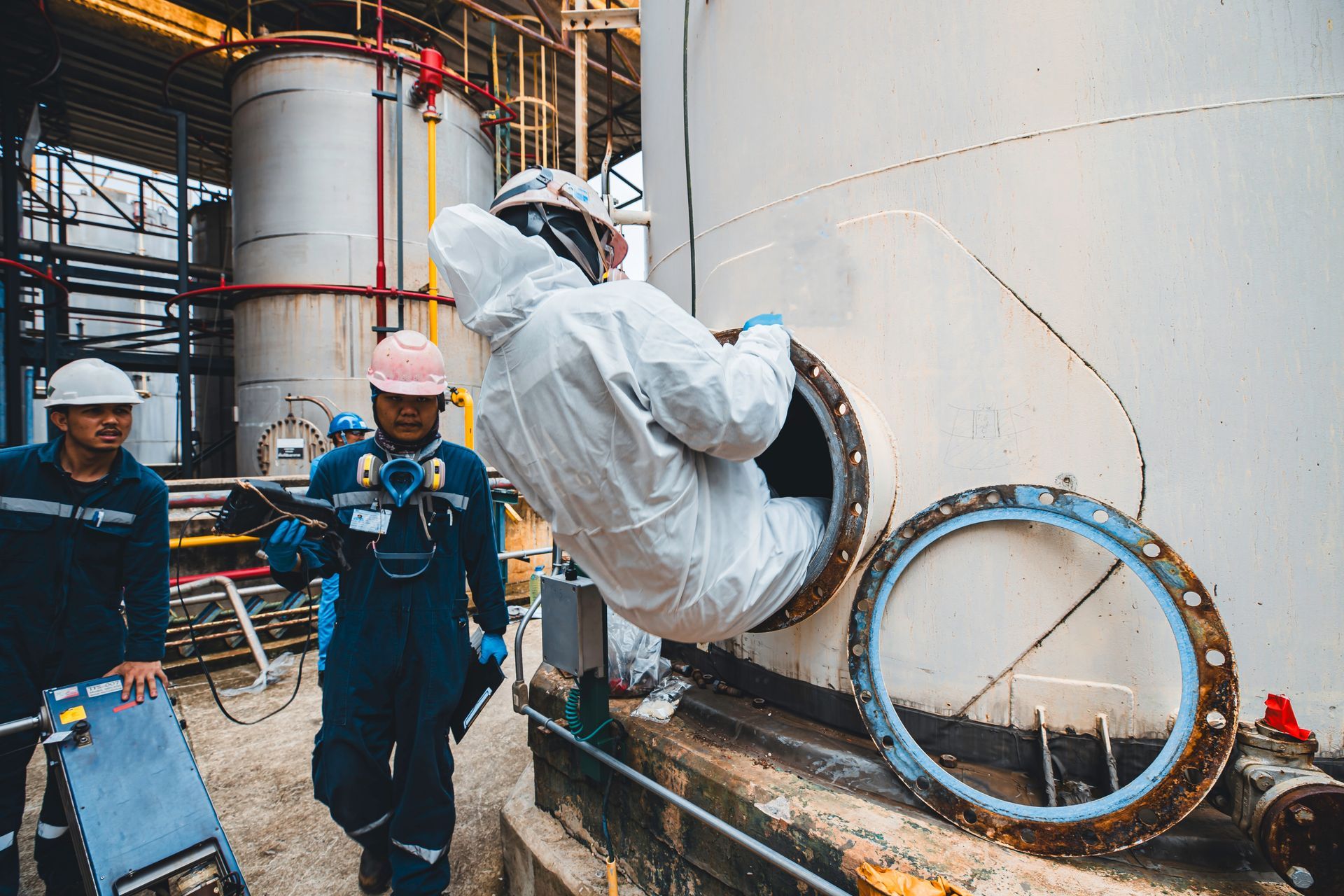
This unit of competency covers the skills and knowledge required to undertake the safety observer role for permits requiring a safety observer. This role may also be called a hole watcher or a fire watcher.
Safety observers can stop permit work, but do not have the authority to restart it.
This unit of competency applies to a member of the work team or an operator who performs this role.
Where the person is safety observer for confined space permit they should also be competent in confined space entry.
No licensing, legislative or certification requirements apply to this unit at the time of publication.
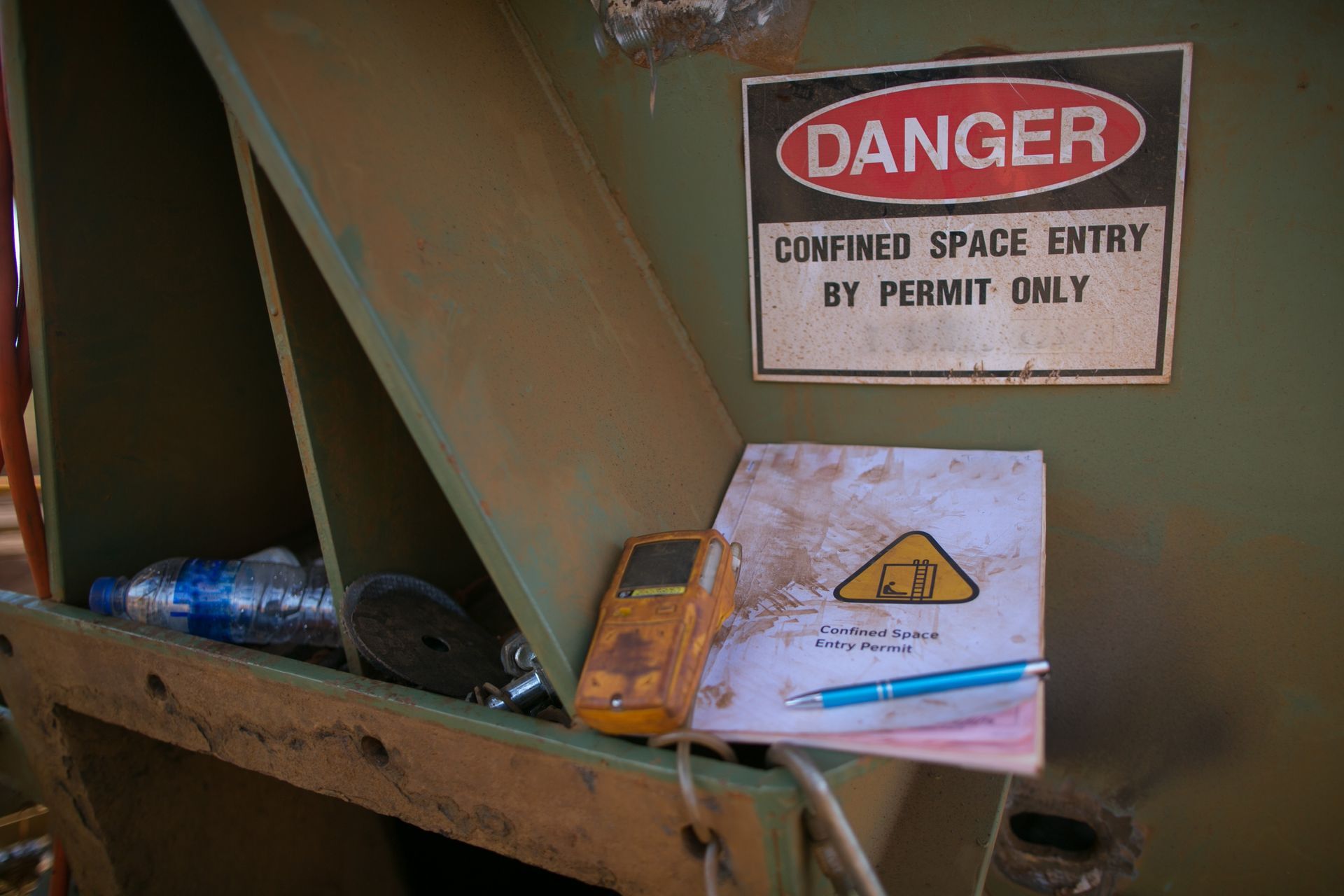
This unit of competency covers the skills and knowledge required to issue work permits. It covers an understanding of the permit system and the limitations of each permit, and making decisions regarding the need for and correct use of each permit. This unit includes the issue of any and all permits. Permits are called ‘clearances’ by some organisations.
This unit of competency applies to personnel who are required to issue appropriate permits to work to persons conducting a variety of activities in workplace environments in which hazards exist or specific procedures need to be followed and monitored to protect the safety of personnel and the integrity of plant or process.
This unit of competency applies to an individual working alone or as part of a team or group and working in liaison with other shift team members and the control room operator, as appropriate.
No licensing, legislative or certification requirements apply to this unit at the time of publication.
This training has a pre-requisite Unit of Competency - MSMWHS201 Conduct hazard analysis
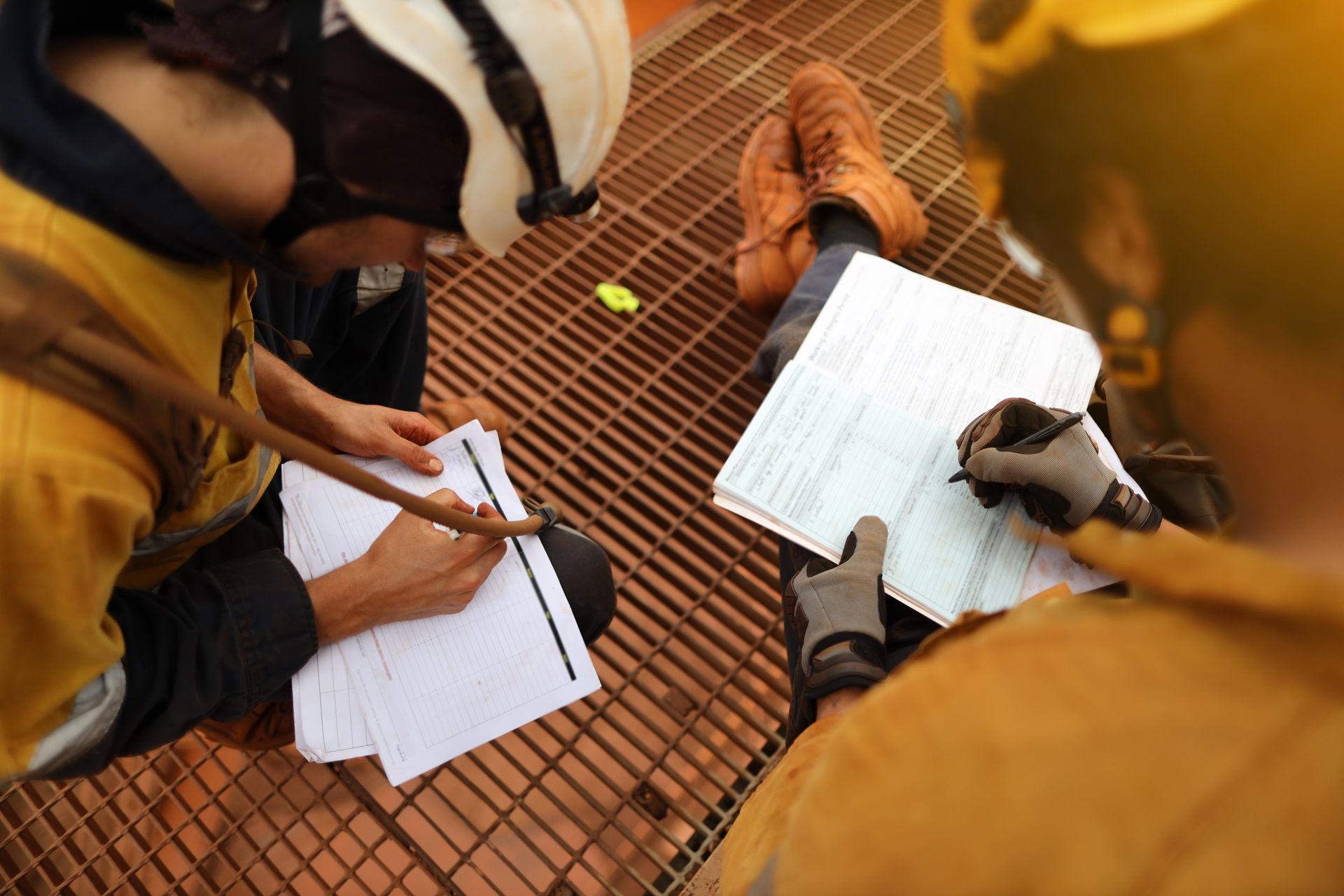
This unit of competency covers the skills and knowledge required to conduct a hazard analysis. These are typically called:
- job safety analysis (JSA)
- job hazard analysis (JHA)
- job safety and environmental analysis (JSEA)
- safe work method statement (SWMS)
It is not intended to apply to simpler routine hazard checks, such as ‘Take 5’, Step Back 5x5’, five step or similar.
This might be done as an independent activity in order to identify hazards and the appropriate hazard controls, or it might be done as part of a broader process, such as identifying and applying for the permits required for a job.
The conducting of a hazard analysis may be required under a safety case, by organisation procedures or simply as being good practice.
This unit of competency applies to an individual working alone or as part of a team or group and working in liaison with other shift team members and the control room operator, as appropriate.
No licensing, legislative or certification requirements apply to this unit at the time of publication.
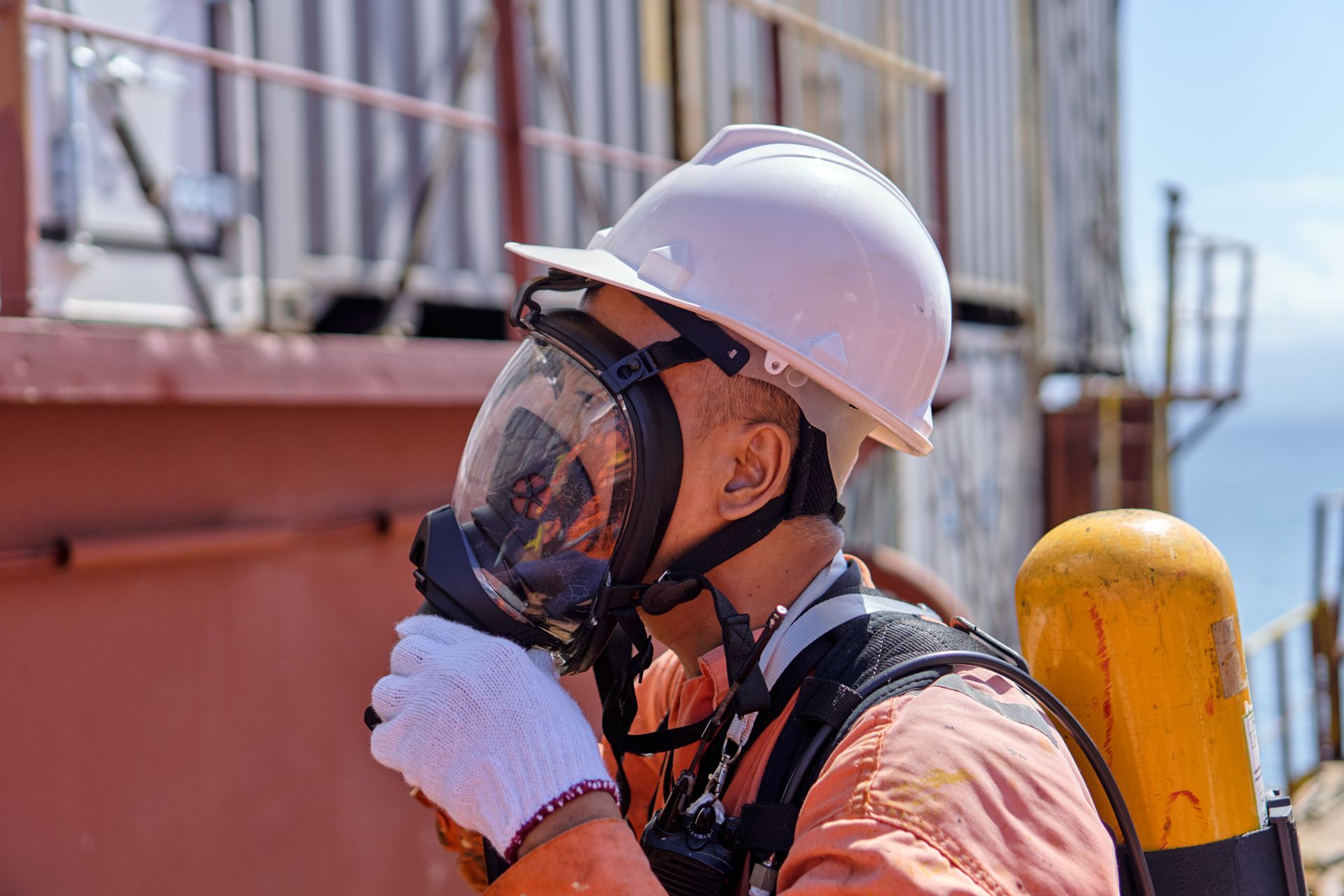
This unit of competency covers the skills and knowledge required to operate and maintain breathing apparatus and equipment in an irrespirable atmosphere, as defined by the Australian Standard AS/NZS 1715:2009 Selection, use and maintenance of respiratory protective equipment.
This unit of competency applies to operators who are required to wear breathing apparatus because they are working:
- in a confined space
- with hazardous gases/vapours
- in an oxygen deficient atmosphere
- in other situations requiring the wearing of breathing apparatus.
Operators may also be required to wear breathing apparatus in emergency situations, however, this is not the prime focus of this unit.
This unit of competency applies to an individual working alone or as part of a team or group and working in liaison with other shift team members and the control room operator, as appropriate.
No licensing, legislative or certification requirements apply to this unit at the time of publication.
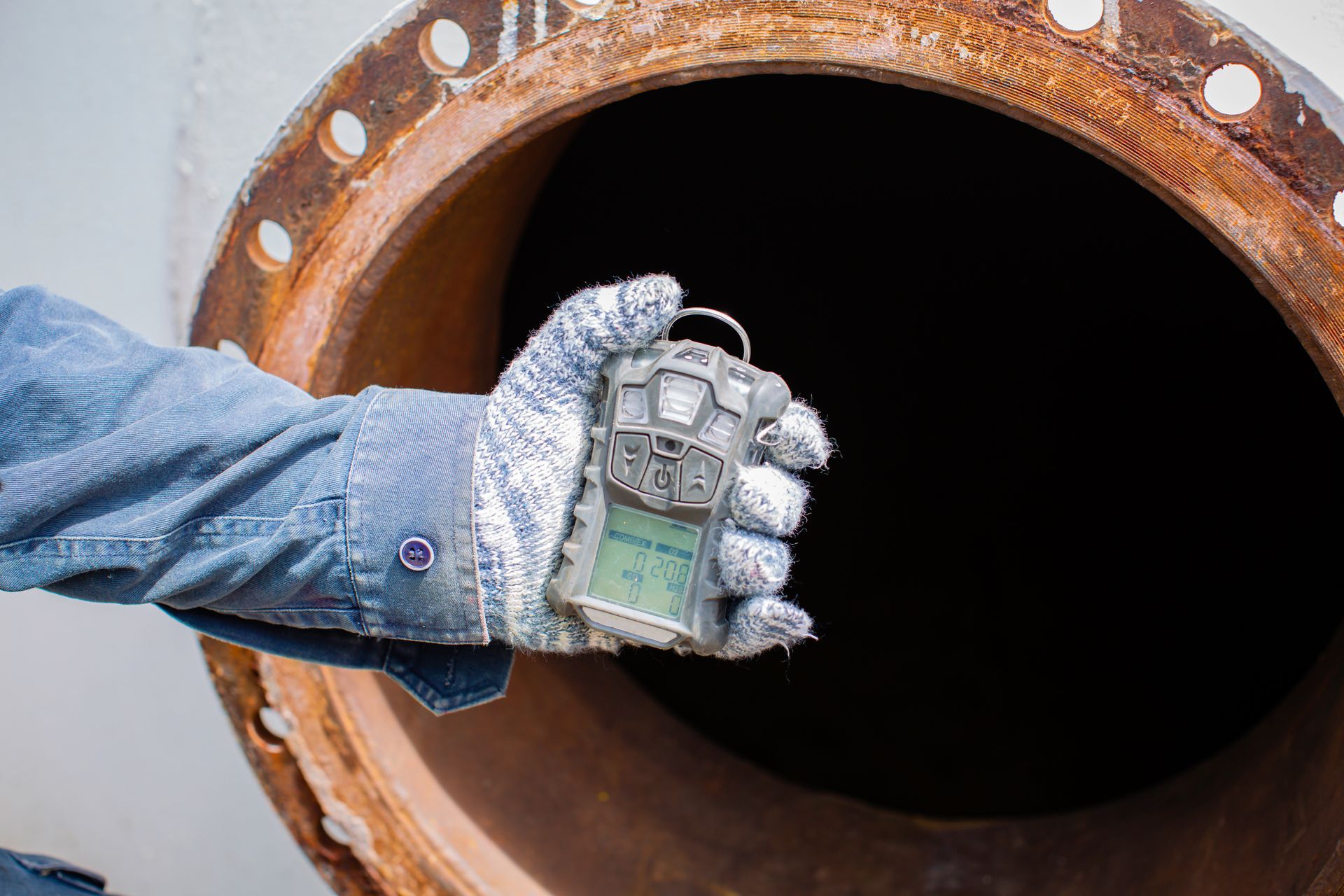
This unit of competency covers the skills and knowledge required to test the working atmosphere, using electronic test apparatus, to find out if it is safe for the proposed work.
It applies to situations where an individual may be required to carry out gas testing of an atmosphere prior to entering a specific area or workspace. The competency requires the person to interpret readings and take actions based on the interpretation.
Working environment may be hazardous, unpredictable, subject to time pressure, chaotic and expose responders to risk, on land or water, by day or night. Workplace atmospheres may include visible and invisible hazards and hazardous surfaces.
The unit is suitable for use in the following situations:
- confined spaces
- enclosed and partially enclosed spaces
- hot work
- storage tanks, silos, pits, pipes, shafts, ducts, transport vehicles and ships
- testing as part of issuing a work permit
- monitoring as part of working under a work permit
- open areas
- holding the gas tester by hand
- lowering the gas tester into a space, e.g. on a line.
This unit of competency applies to an individual working alone or as part of a team or group and working in liaison with other shift team members and the control room operator, as appropriate.
No licensing, legislative or certification requirements apply to this unit at the time of publication
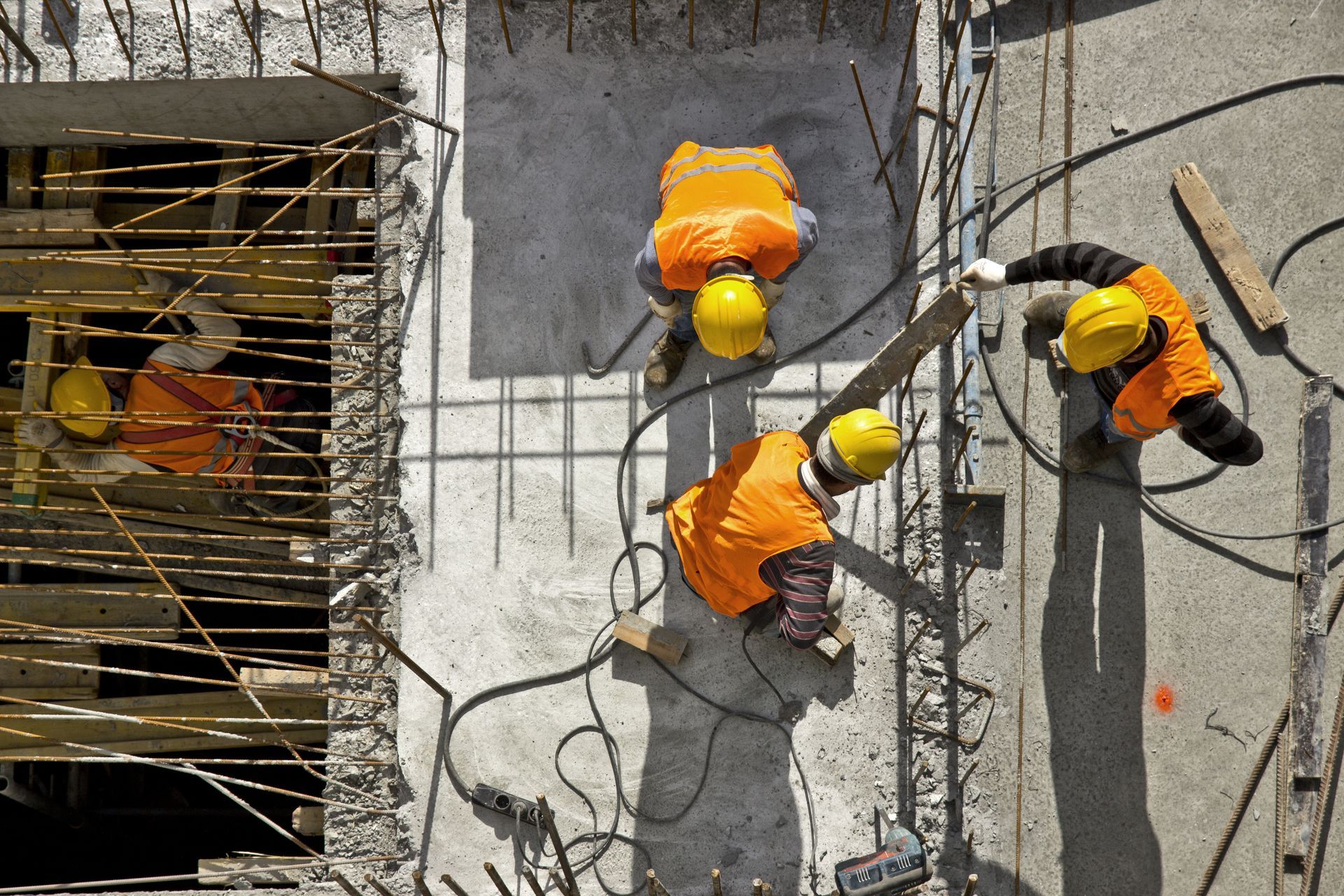
This unit of competency specifies the mandatory work health and safety training required prior to undertaking construction work. The unit requires the person to demonstrate personal awareness and knowledge of health and safety legislative requirements in order to work safely and prevent injury or harm to self and others. It covers identifying and orally reporting common construction hazards, understanding basic risk control measures, and identifying procedures for responding to potential incidents and emergencies. It also covers correctly selecting and fitting common personal protective equipment (PPE) used for construction work.
This unit meets the general construction induction training requirements of:
- Part 1.1 Definitions and Part 6.5 of the Model Work Health and Safety Regulations;
- Division 11 of Part 3 of the Occupational Safety and Health Regulations 1996 for Western Australia; and
- Division 3 of Part 5.1 of the Occupational Health and Safety Regulations 2007 for Victoria.
It is expected that site-specific induction training will be conducted prior to conducting construction work.
Licensing, legislative, regulatory or certification requirements apply to this unit. Relevant work health and safety state and territory regulatory authorities should be consulted to confirm jurisdictional requirements.
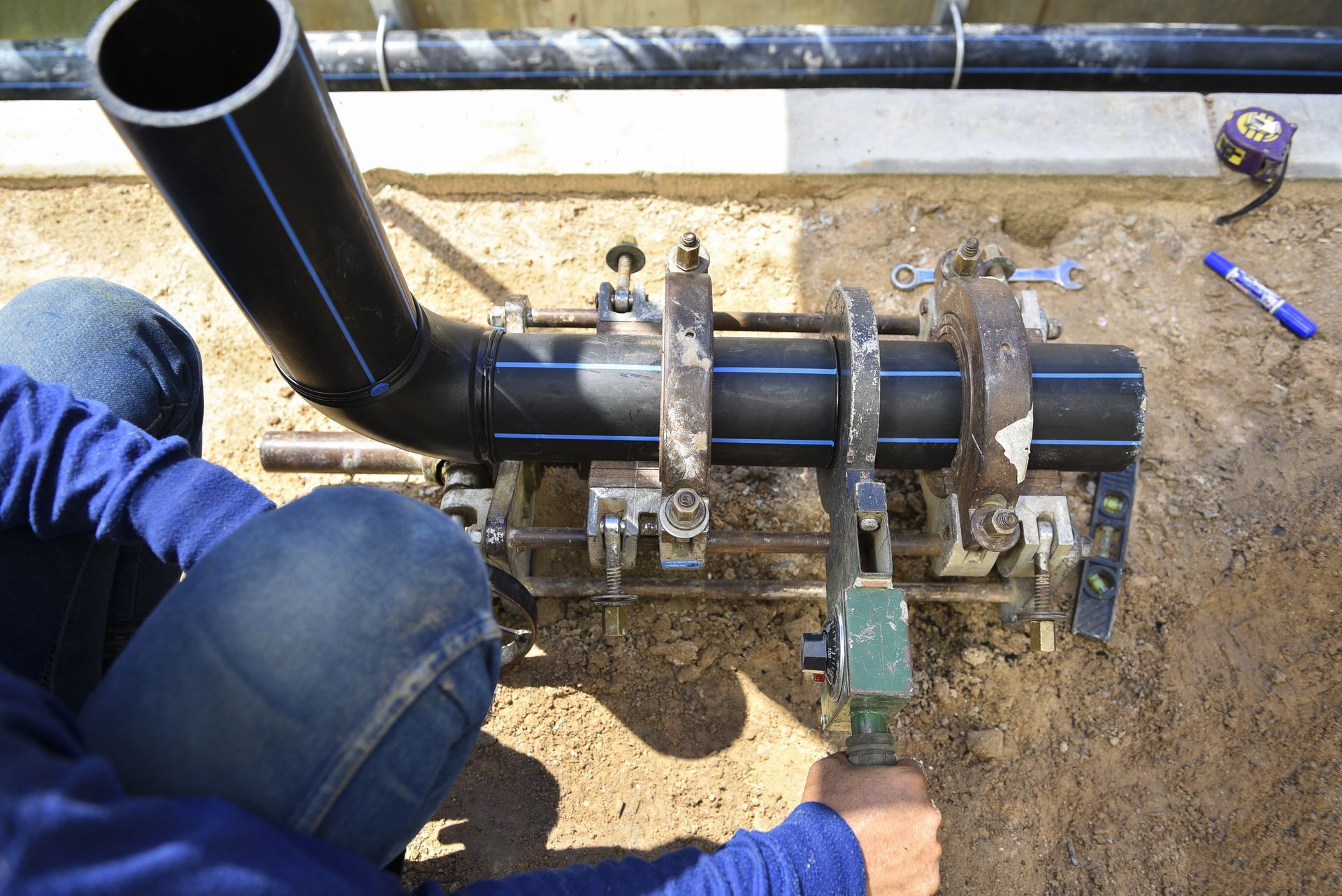
This unit describes the skills and knowledge required to join polyethylene (commonly referred to as PE) plastic pipelines using butt welding, both in the field and under factory conditions.
This unit applies to an experienced technician working alone or as part of a team.
The unit principally refers to the practical application of polymer material science to employ molecular diffusion across the pipe faces, under controlled conditions, to achieve welding across the joint.
No licensing or certification requirements exist at the time of publication. Relevant legislation, industry standards and codes of practice within Australia must be applied.
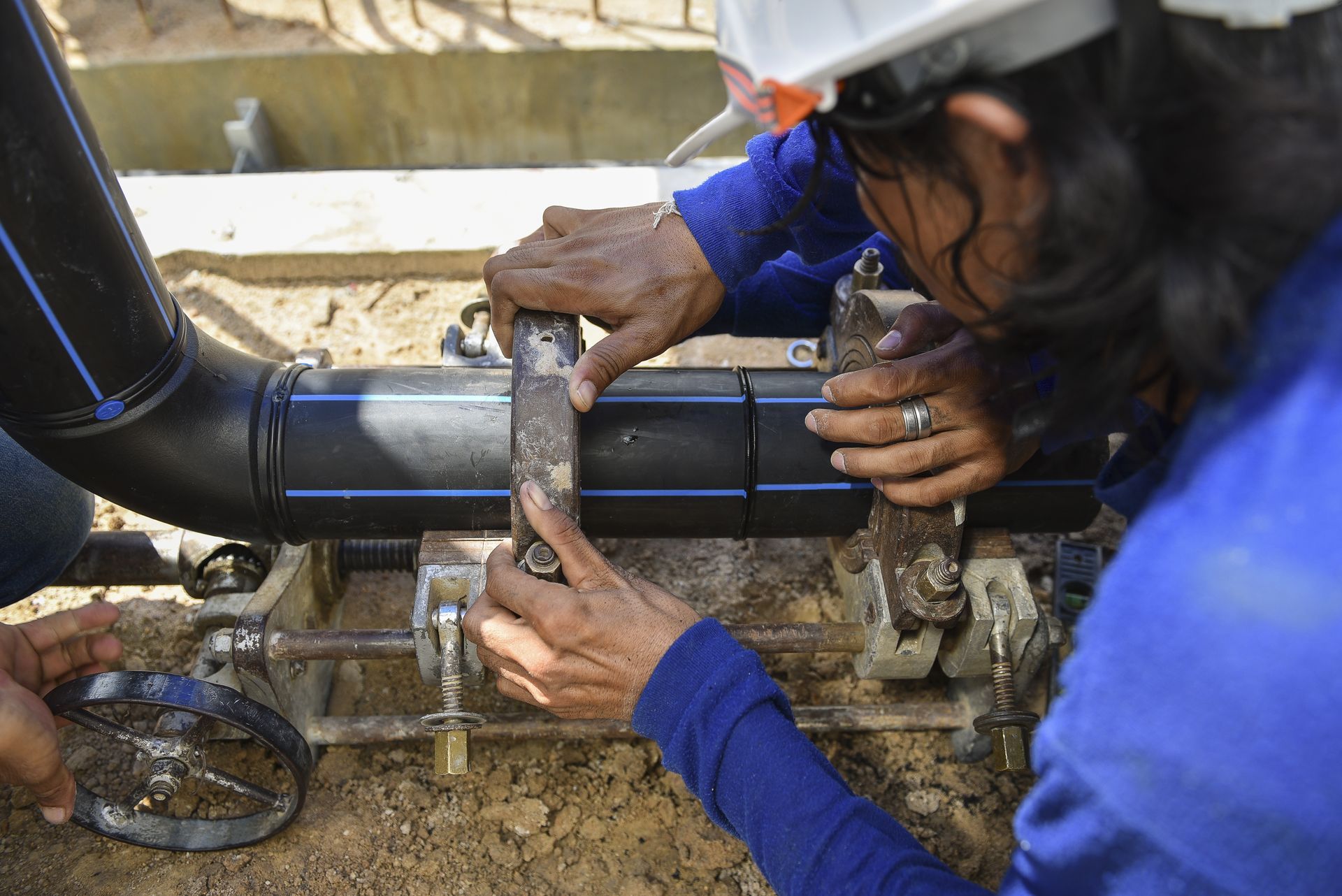
This unit describes the skills and knowledge required to weld polyethylene (commonly referred to as PE) plastic pipes using electrofusion, both in the field and under factory conditions.
This unit applies to an experienced technician working alone or as part of a team.
The unit principally refers to a process that applies similar techniques to the applied science covered in PMBWELD301E Join polyethylene plastic pipelines using electrofusion welding, where the weld is achieved at the weld interface through polymer diffusion-mixing.
No licensing or certification requirements exist at the time of publication. Relevant legislation, industry standards and codes of practice within Australia must be applied.
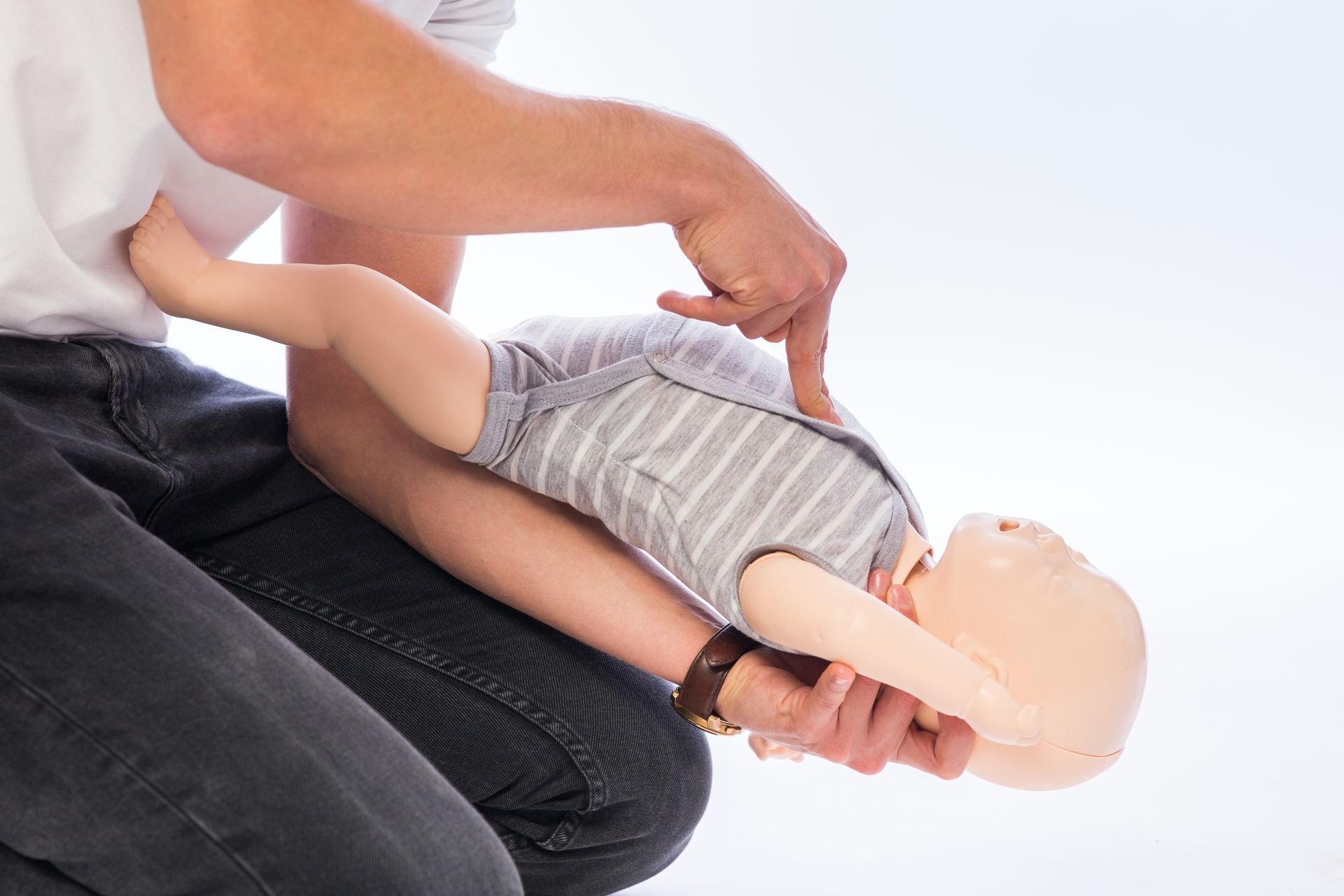
This unit describes the skills and knowledge required to provide a first aid response to infants and children in line with first aid guidelines determined by the Australian Resuscitation Council (ARC) and other Australian national peak clinical bodies.
This unit applies to a range of workers within an education and care setting who are required to respond to a first aid emergency, including asthma and anaphylactic emergencies. This includes early childhood workers and educators who work with school age children in outside school hours care and vacation programs.
This unit of competency may contribute towards approved first aid, asthma and anaphylaxis training under the Education and Care Services National Law, and the Education and Care Services National Regulations (2011).
Specific licensing/regulatory requirements relating to this competency, including requirements for refresher training should be obtained from the relevant national/state/territory Work Health and Safety Regulatory Authorities

This unit describes the skills and knowledge required to provide a first aid response to a casualty in a remote or isolated site over an extended period of time until medical assistance is provided, or evacuation occurs.
This unit applies to any site where medical assistance is likely to be delayed.
First aid is to be provided in line with guidelines determined by the Australian Resuscitation Council (ARC) and other Australian national peak clinical bodies.
Specific licensing/regulatory requirements relating to this competency, including requirements for refresher training should be obtained from the relevant national/state/territory Work Health and Safety Regulatory Authorities.
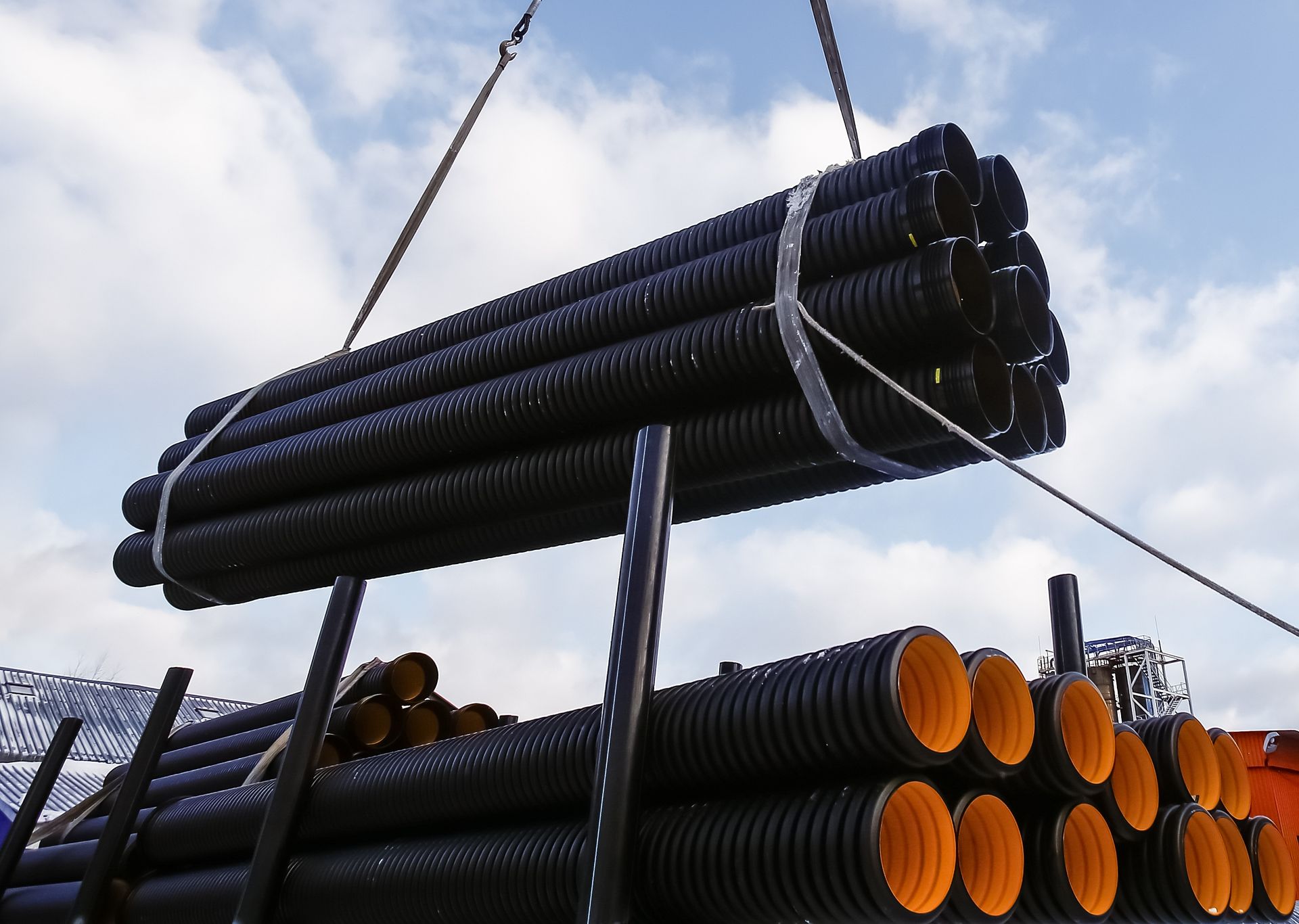
This unit describes the skills and knowledge required to conduct lifting operations in the resources and infrastructure industries, including developing preliminary lifting plans, directing load movements, connecting load to movement devices and confirming load stability.
It applies to those working in operational roles. They generally work under supervision to undertake a prescribed range of functions involving known routines and procedures and take some responsibility for the quality of work outcomes.
Licensing, legislative and certification requirements may apply to this unit and can vary between states, territories and industry sectors. Users must check requirements with relevant body before applying the unit.
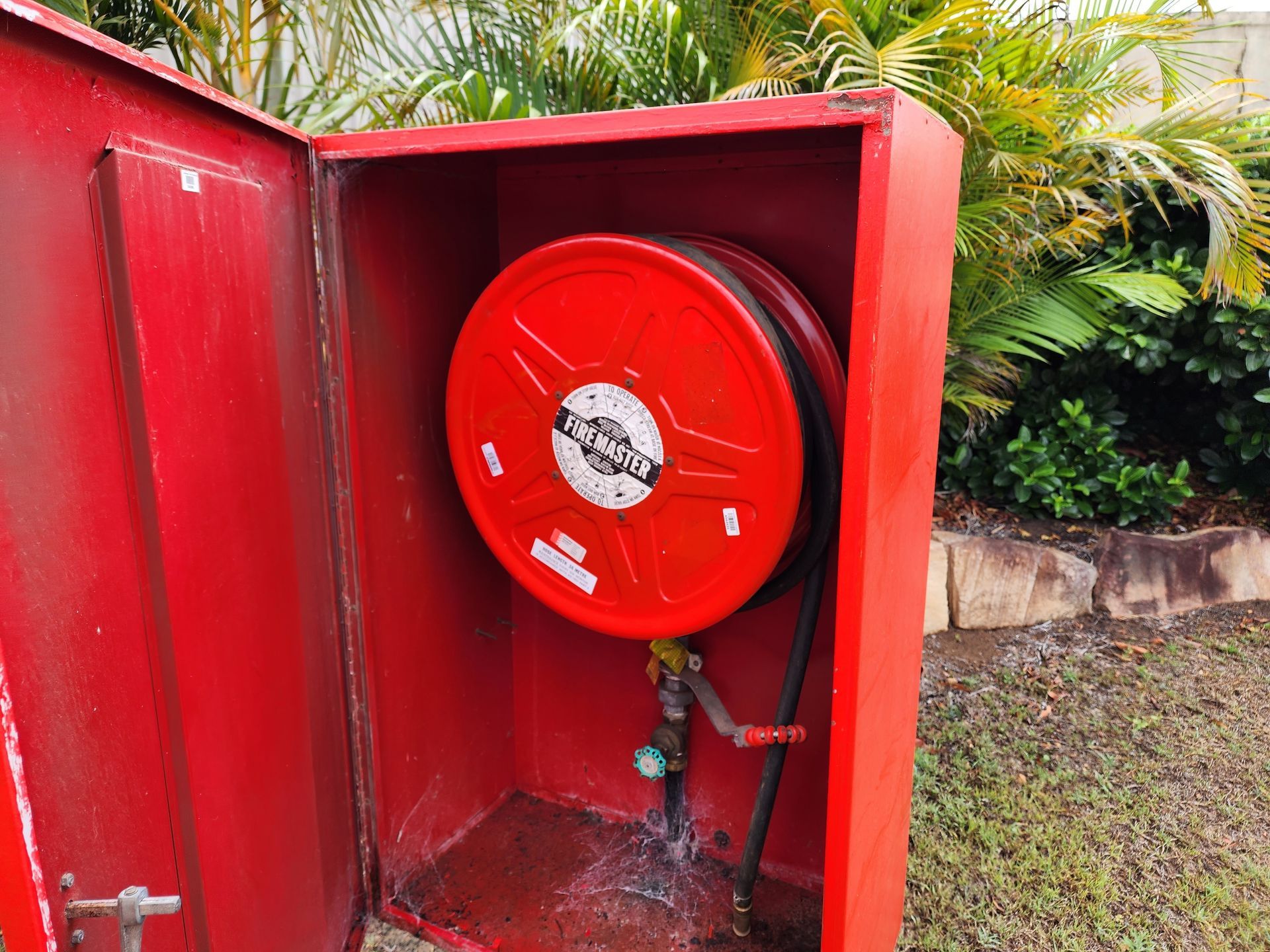
This unit of competency specifies the skills and knowledge required to inspect and test fire hose reels at client premises and replace hoses and drums. The replacement procedures apply to existing risers fitted with a control valve. Service activities are conducted in compliance with requirements of the relevant Australian Standards and National Construction Code (NCC).
The unit does not apply to any maintenance, replacement or repair functions that are restricted to licensed trades or occupations.
The unit is suitable for those with basic skills and knowledge undertaking routine work tasks under the direction of more experienced workers.
Licensing, legislative, regulatory or certification requirements apply to this unit of competency in some states and territories. For further information, check with the relevant regulatory authority.
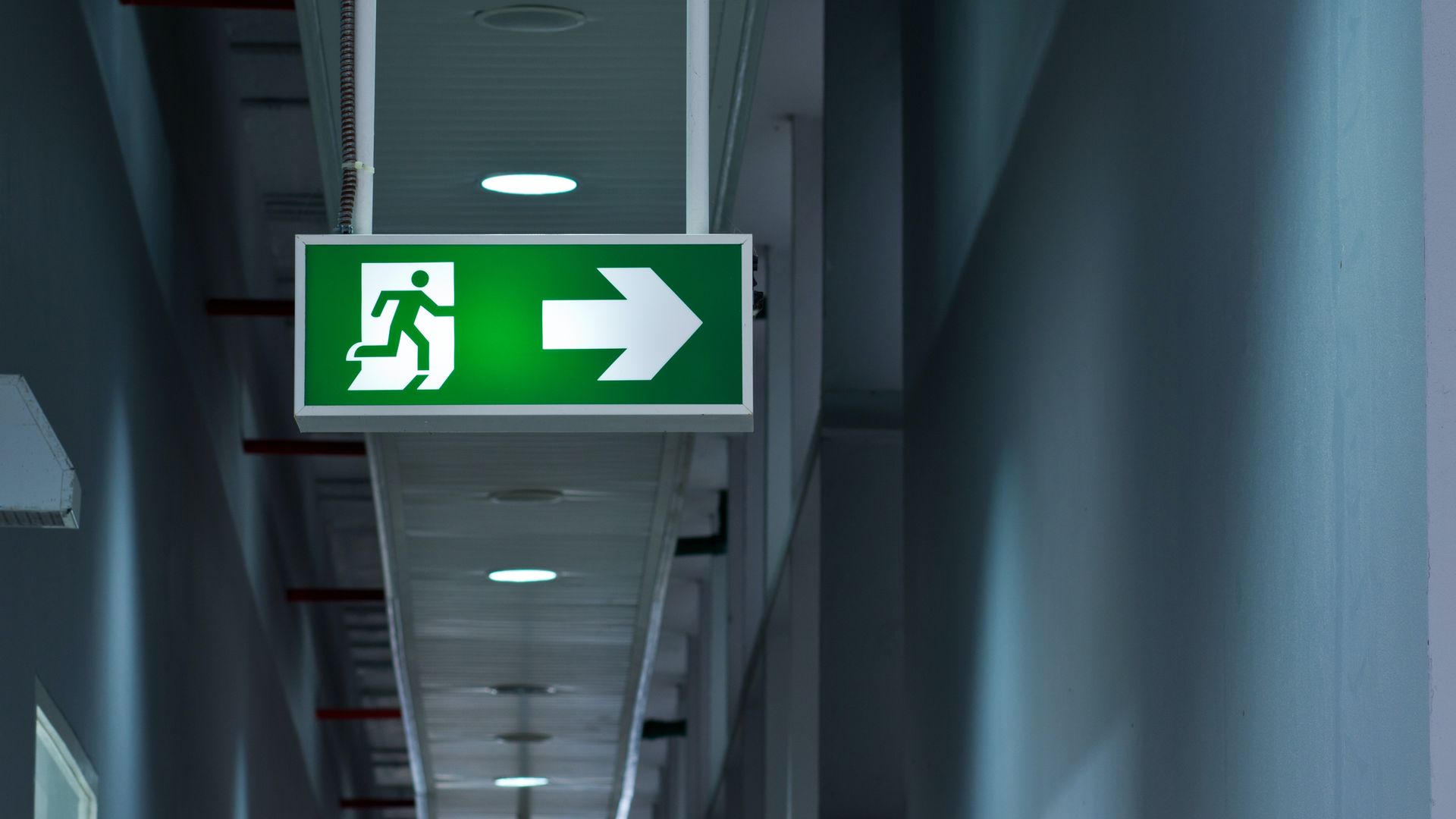
This unit of competency specifies the skills and knowledge required to inspect and test the functional operation of emergency and exit lighting systems installed at client premises. Service activities are conducted in compliance with requirements of the relevant Australian Standards and National Construction Code (NCC).
The unit does not cover any installation, replacement, maintenance or repair functions that are restricted to licensed trades or occupations.
The unit is suitable for those with basic skills and knowledge undertaking routine work tasks under the direction of more experienced workers.
Licensing, legislative, regulatory or certification requirements apply to this unit of competency in some states and territories. For further information, check with the relevant regulatory authority.

This unit describes the skills and knowledge required to lead the initial response to work health and safety (WHS) incidents. The unit also includes planning, conducting and reporting on investigations of WHS incidents that have resulted in, or have the potential to result in, injury or damage. This may include accessing specialist expertise.
The unit applies to those who work in a range of WHS roles across all industries, and apply a substantial knowledge base and well-developed skills in a wide variety of WHS contexts. It does not apply to those undertaking an investigation in order to provide legal advice or prepare for legal proceedings.
No licensing, legislative or certification requirements apply to this unit at the time of publication.

This unit involves the skills and knowledge required to apply fatigue management strategies within the transport and logistics industry.
It includes identifying and acting on signs of fatigue and implementing appropriate strategies to minimise fatigue during work activities, in particular when operating equipment, trains, vehicles, load shifting equipment, marine vessels and aircraft.
Work is undertaken in compliance with relevant legislation, regulations, codes and guidelines.
Work is performed under some supervision generally within a team environment.
No licensing, legislative or certification requirements apply to this unit at the time of publication.
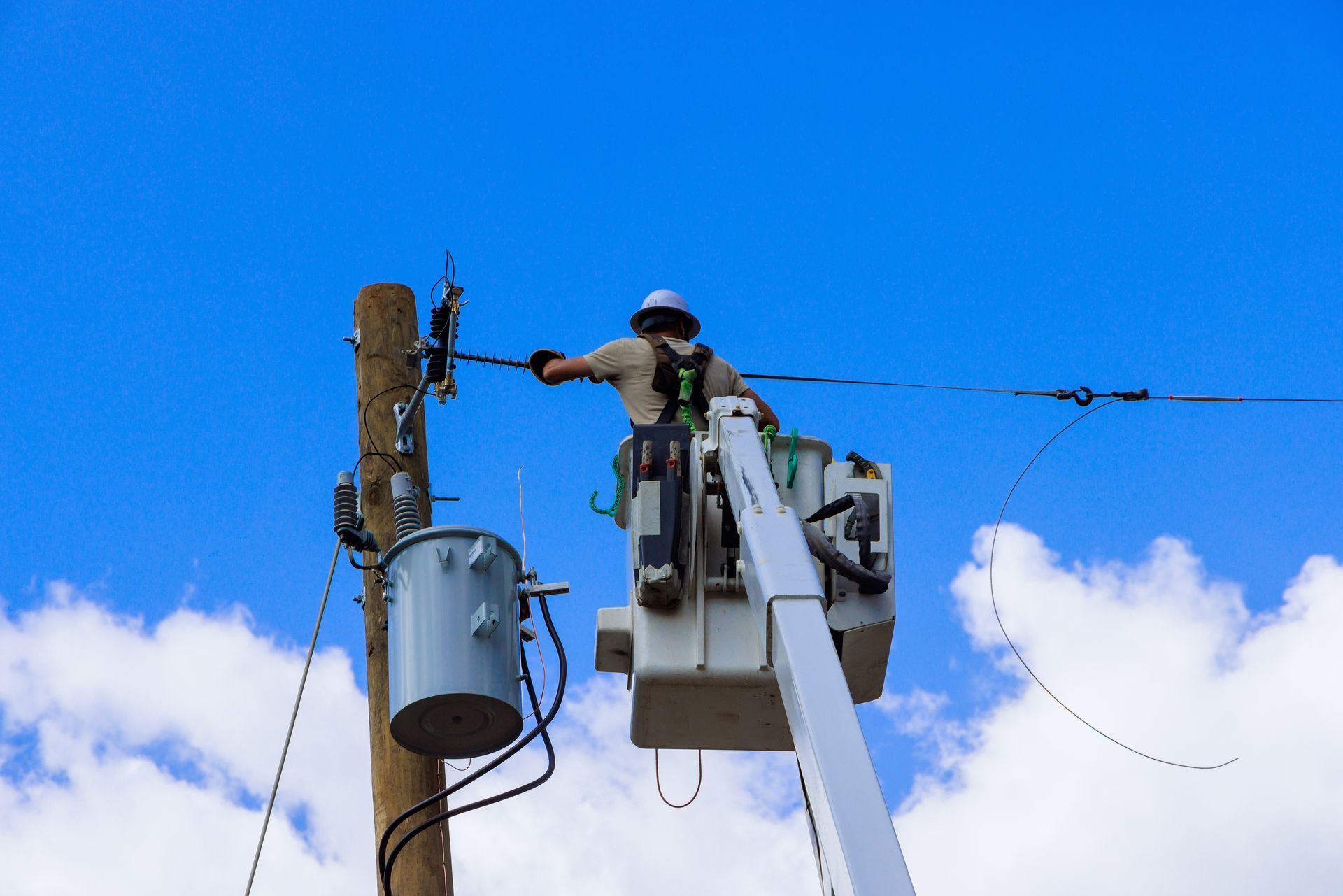
This unit involves the skills and knowledge required to perform an elevated work platform (EWP) rescue in the electricity supply industry (ESI) environment.
It includes the organisational workplace requirements for the inspection and use of EWP retrieval systems, and how it applies to ESI workers to meet work health and safety (WHS)/occupational health and safety (OHS), mobility and mutual aid requirements.
The application of the skills and knowledge described in this unit may require a licence/registration to practice in the workplace.
Other conditions may also apply under state and territory legislative and regulatory licensing requirements which must be confirmed prior to commencing this unit.
This training has a pre-requisite Unit of Competency - HLTAID009 Provide cardiopulmonary resuscitation
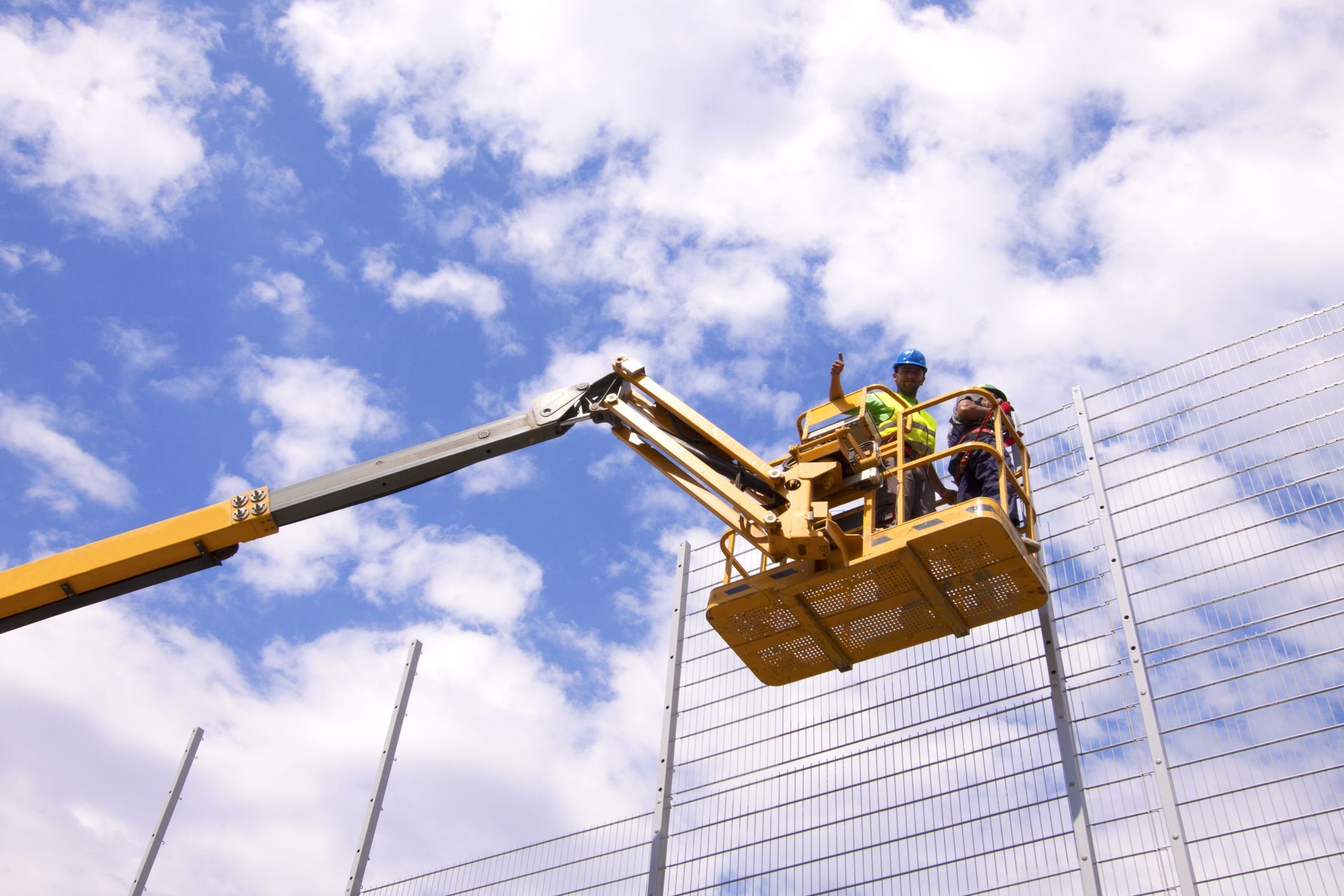
This unit involves the skills and knowledge required to perform an elevated work platform (EWP) controlled descent escape in an electricity supply industry (ESI) environment.
It includes the organisational workplace requirements for the self-rescue from a raised EWP, and how it applies to ESI workers to meet work health and safety (WHS)/occupational health and safety (OHS), mobility and mutual aid requirements.
The application of the skills and knowledge described in this unit may require a licence/registration to practice in the workplace.
Other conditions may also apply under state and territory legislative and regulatory licensing requirements which must be confirmed prior to commencing this unit.
This unit involves the skills and knowledge required to provide first aid in an electricity supply industry (ESI) environment.
It includes the recognition and provision of an initial response where first aid is required and how it applies to ESI workers to meet work health and safety (WHS)/occupational health and safety (OHS), mobility and mutual aid requirements.
No licensing applies to this unit at the time of publication.
This training has a pre-requisite Unit of Competency - HLTAID009 Provide cardiopulmonary resuscitation
Implicit Units of Competency
NNZMC Pty Ltd T/a Industry Skills Solutions RTO 45974 has a total of 416 Nationally Recognised Units of Competency, of which 360 are implicit (inside/included in full qualifications).
Some of these Units of Competency are delivered on behalf of NNZMC Pty Ltd T/a Industry Skills Solutions RTO 45974 by third party providers (Agreements are registered with the Australian Skills Quality Authority ASQA).
For full details on the Implicit Units of Competency, Visit the relevant third party providers website by clicking on the providers logo beside this statement.
It is important to note, that all training conducted by (our) third party providers is delivered and assessed on behalf of NNZMC Pty Ltd T/a Industry Skills Solutions RTO 45974.
Third Party Providers